
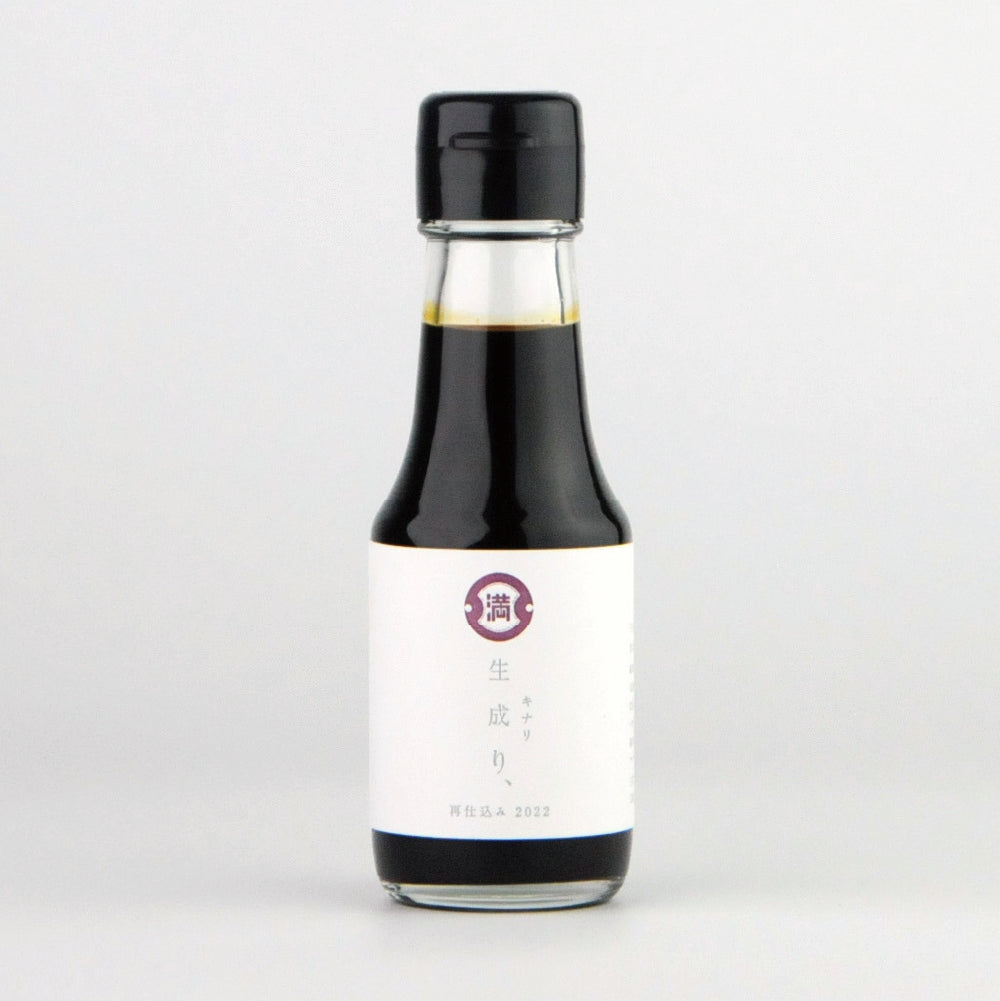
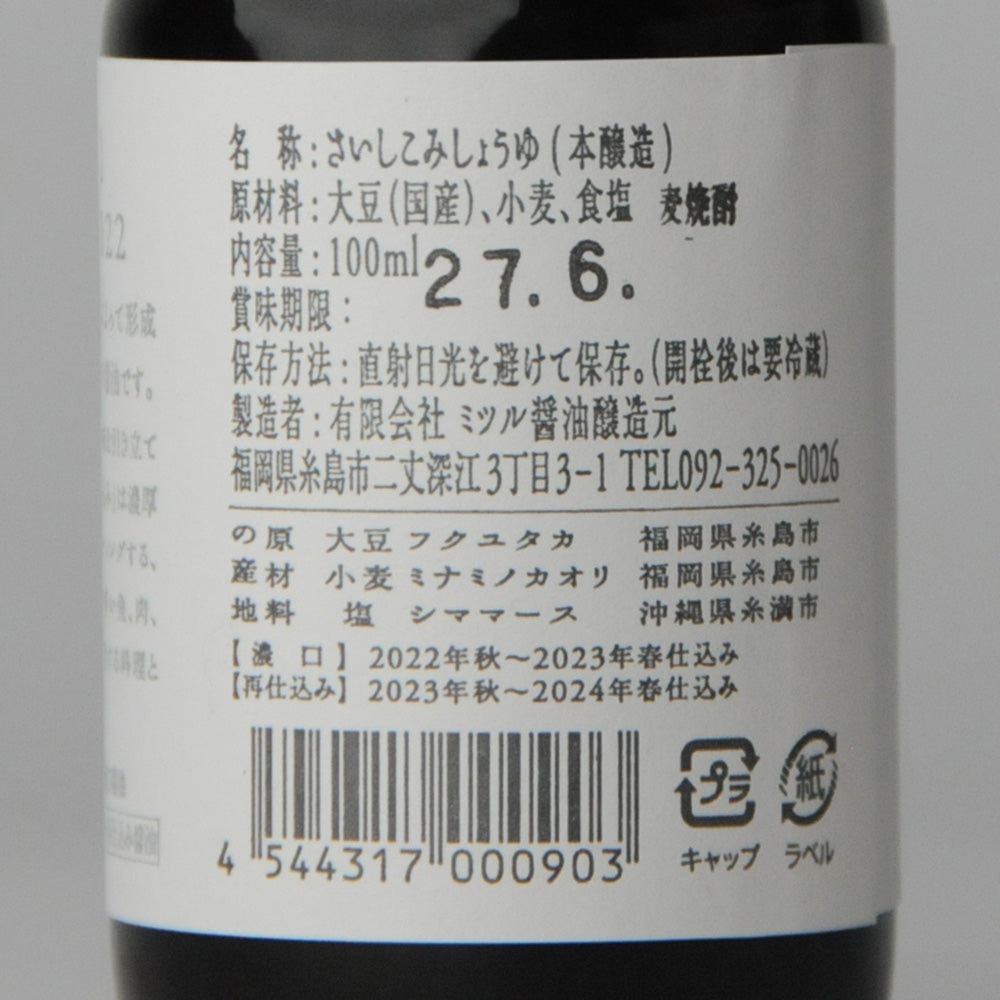
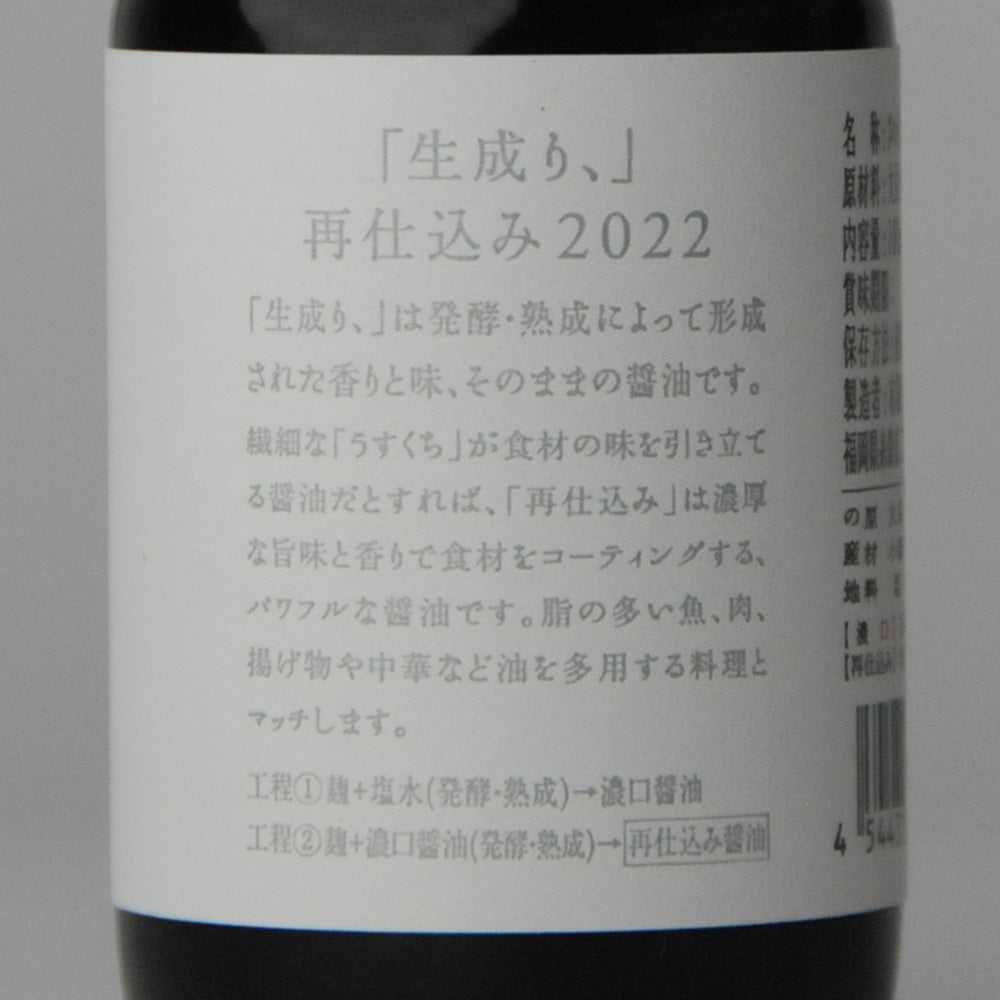
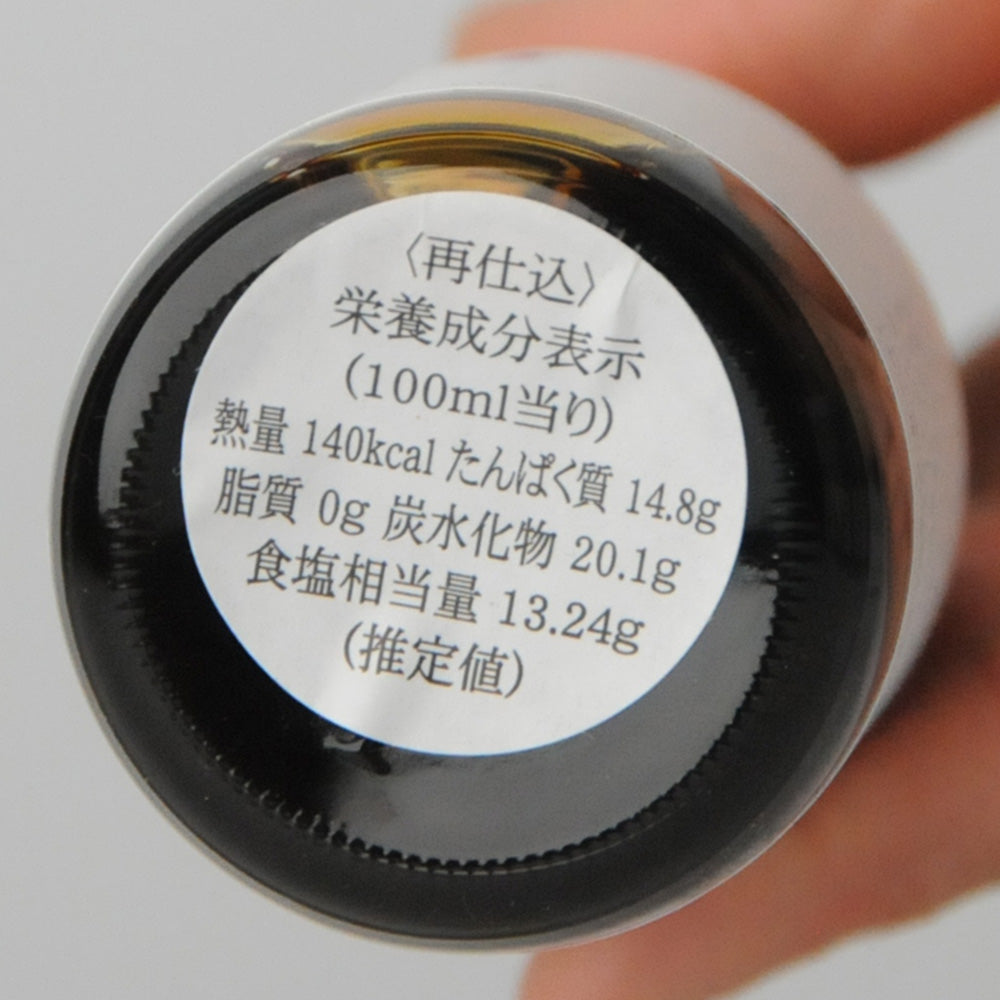
80. Unbleached, 100ml
Rich, mellow and fragrant!!
Shokunin Shoyu No. 80

Unbleached soy sauce
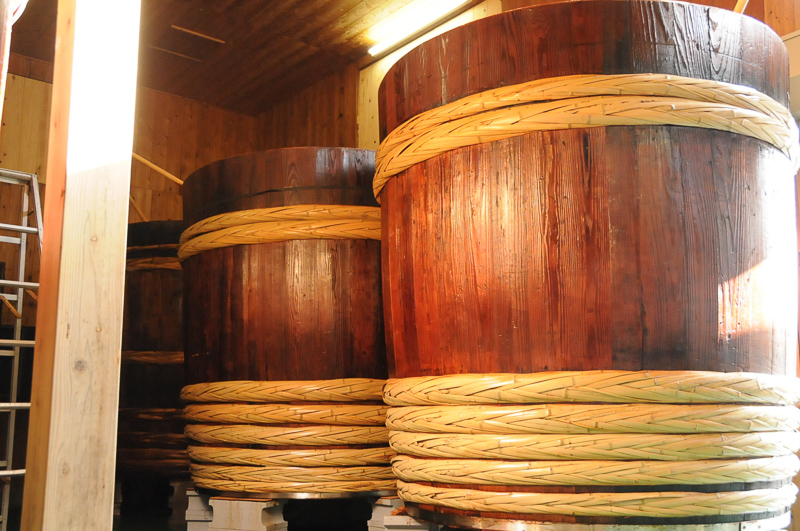
Yoshinori Shiro of Mitsuru Soy Sauce has revived his in-house brewing, which had been suspended since the 1960s. Having harbored a dream of starting his own brewery since high school, Shiro searched for soy sauce breweries that continued to make soy sauce using traditional methods while studying at Tokyo University of Agriculture. He accepted short-term training at seven breweries before graduating. After graduation, he trained for a year at the Okamoto Soy Sauce Brewery in Hiroshima Prefecture, then spent a year studying at the Japan Food Coordinator School (JFCS), before returning at the age of 25. Starting from nothing, he secured a place for brewing, a koji room for making koji, and a place to line up wooden barrels for fermentation and aging. He also repaired unused wooden barrels, gathered all the tools needed for brewing, and, with the ideal ingredients, successfully revived brewing after a hiatus of nearly 40 years.
The soy sauce that was first brewed in January 2011 was aged for two years, and the first pressing of the in-house brew was held in February 2013. This was the birth of "Nama-ri."

The ever-evolving soy sauce
The basics of how soy sauce is made are the same at every brewery. However, there are differences in the details, such as temperature control and time for making koji, the tools used, how often the moromi is stirred, and how the vats are managed.
Generally, soy sauce production is a family business that is continued over many generations, and many breweries make small improvements while preserving the flavor of the soy sauce that has been passed down for generations. However, Shiro's "Niseri" takes advantage of the fact that it has no history, and actively searches for "delicious soy sauce" by changing the type of koji starter and ingredients, as well as changing the brewing ratio and stirring method one after another.
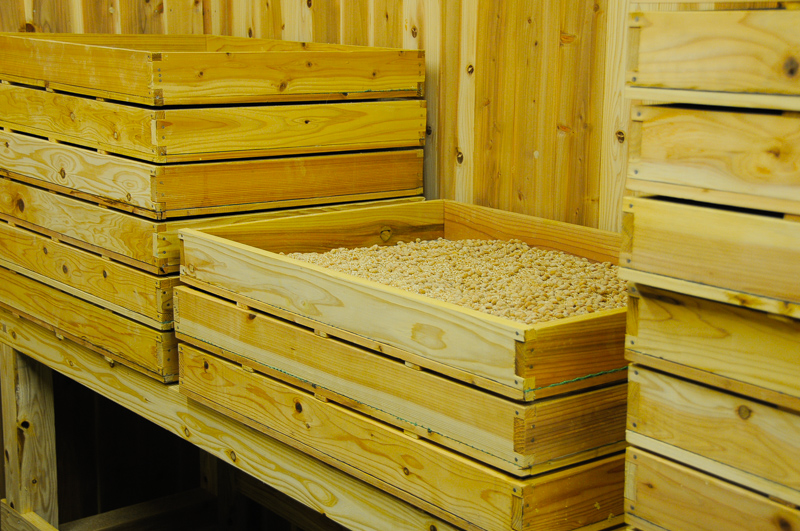
For example, "koji making" is the most important process in soy sauce production. A traditional tool called a "koji lid" is used here. While a typical one can be held in one hand, Shiro boldly made it so large that it would have to be held with his arms, and used a mesh material for the bottom.
"I thought this shape would be good for uniform temperature control. I was originally shown it by a soy sauce maker. It may not have been possible to use it in the past because mesh materials were not available, but I felt it made sense for controlling excess heat generation. If I were to do it myself, I wanted to use this method." Shiro's soy sauce will surely be even more delicious next year than this year. You could say it is a soy sauce that is constantly evolving.

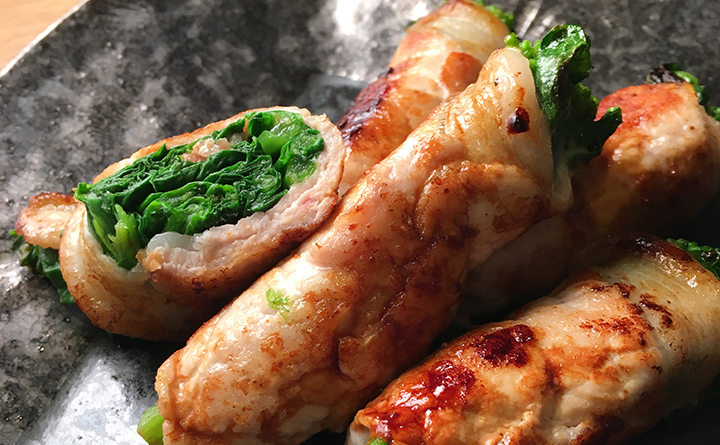
Use re-brewed soy sauce with pork dishes
This soy sauce pairs well with meat, but is especially recommended with pork. The strong umami and sweetness of the soybeans, both raw and saikomi, add richness and umami without overpowering the umami of the meat. The aroma when heated is also excellent. Please try it with a simple soy sauce seasoning.

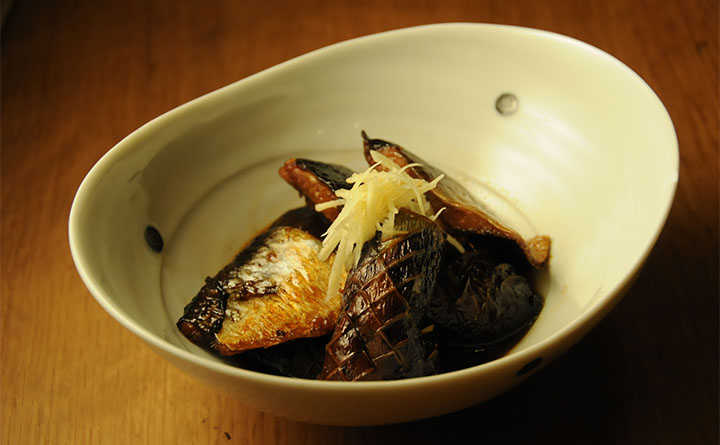
Double use of dark soy sauce and re-brewed soy sauce
If you feel like dark soy sauce alone is not quite enough, I recommend using a combination of dark soy sauce and re-brewed soy sauce. I often use the unbleached soy sauce from the same brewery. Add a little re-brewed soy sauce in a ratio of about 3:1. It gives the soy sauce a strong color, but also adds body and depth to the flavor. It's fun to try to find the ratio that suits your taste.
Choose options
目的別・人気セット


NEWSLETTER│職人醤油通信
醤油の世界を、もっと深く。
蔵元訪問レポート・季節の使い方・新商品情報など、職人醤油 代表の高橋万太郎がお届けします。
- 蔵元訪問レポート・産地の話
- 季節の料理と醤油の使い分け
- 新着商品・限定セットのご案内
- 読者限定の先行情報
スパムメールは送りません。登録解除はいつでも可能です。