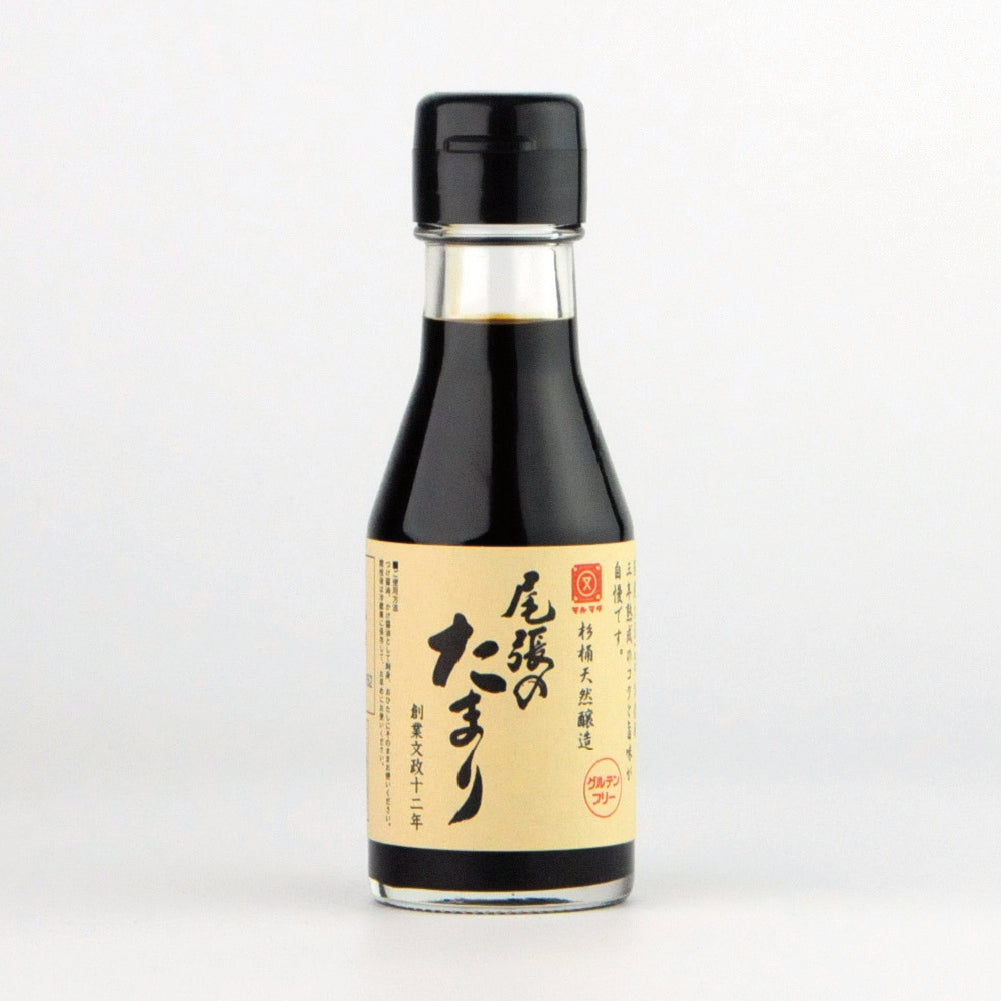
50. Owari no Tamari 100ml
Gluten-free and extremely rich
Shokunin Shoyu No. 50

Rich tamari made only from soybeans
Tamotsu soy sauce is produced mainly in the three Tokai prefectures.
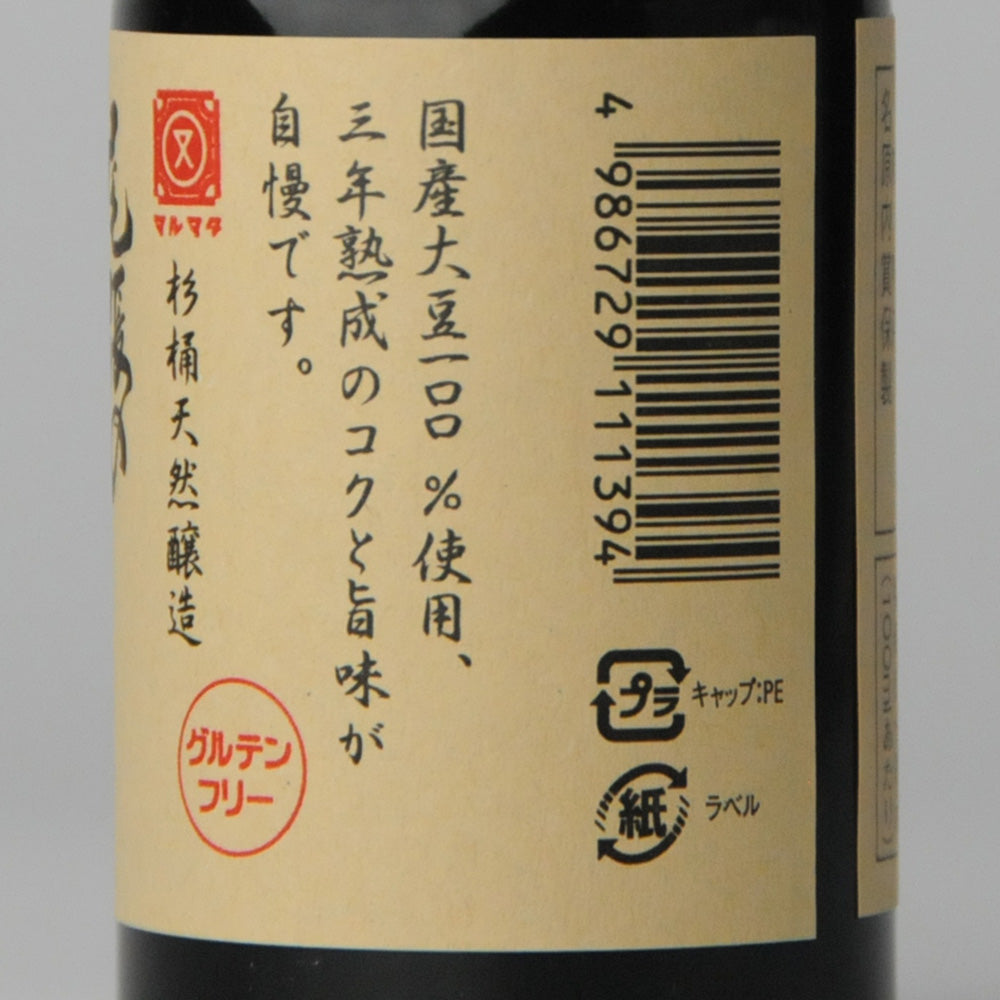
Among them, Taketoyo Town on the Chita Peninsula in Aichi Prefecture is known as a major producer of tamari soy sauce, with many breweries concentrating there. Marumata Shoten, founded in this town in 1829, has stubbornly maintained the traditional method of using 100% soybeans and brewing in wooden barrels.
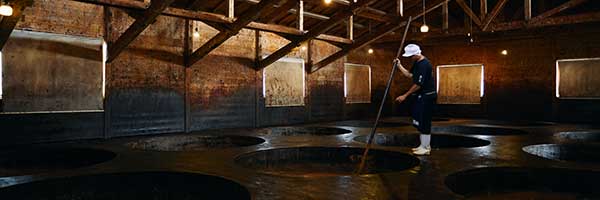
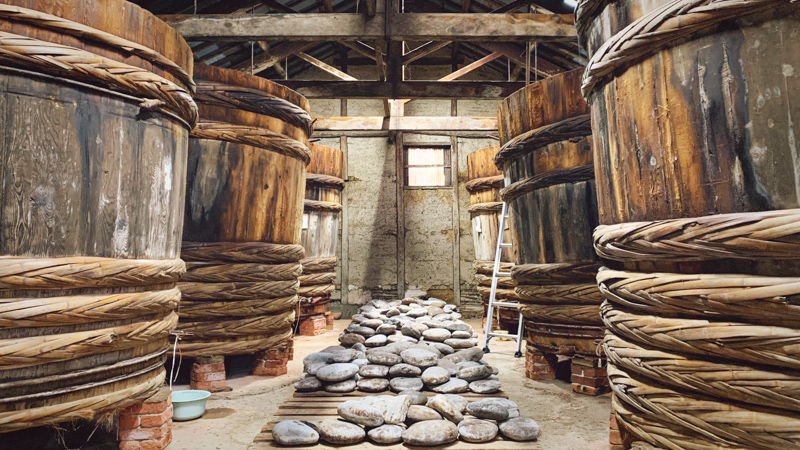
Inside the wooden storehouse, 70 traditional wooden barrels are lined up in an orderly fashion.
However, for people in the Tokai region, it is so closely tied to their lives that they say, "When you think of soy sauce, you think of Tama!" However, for people outside the Tokai region, it may not be very familiar.
This tamari soy sauce is completely different from other soy sauces in terms of ingredients and production method.
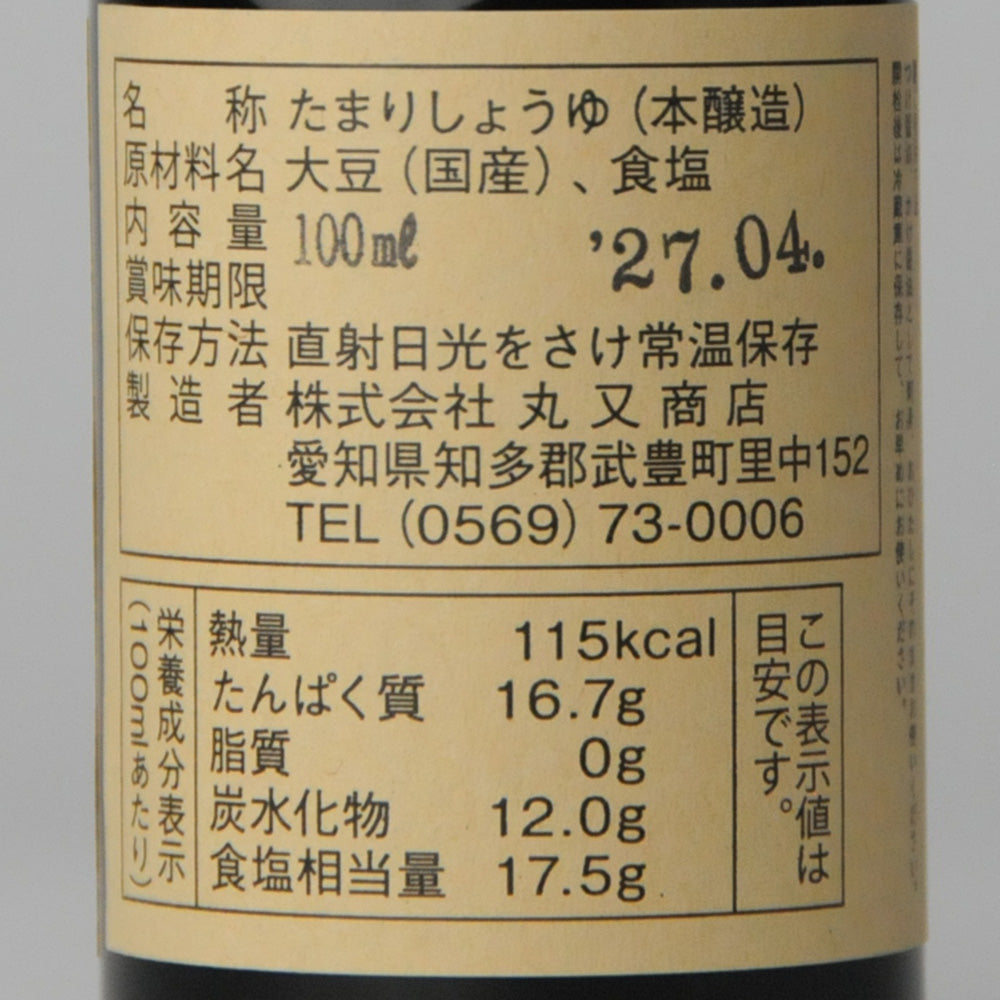
While regular dark soy sauce is made with soybeans and wheat in a 1:1 ratio, tamari soy sauce is characterized by a higher soybean ratio. Owari tamari is made only with soybeans and salt, without using wheat.
This difference is what gives tamari soy sauce its rich flavor and unique thick texture.

The power of nature and the hand of man
One of the major features of tamari soy sauce production is the production of koji, known as "miso balls." Steamed soybeans are hand-formed into balls the size of a thumb.
A very small amount of salt water is added to it, but the amount is less than half of the amount of dark soy sauce. It looks almost like miso paste. Naturally, you cannot stir it like regular soy sauce.
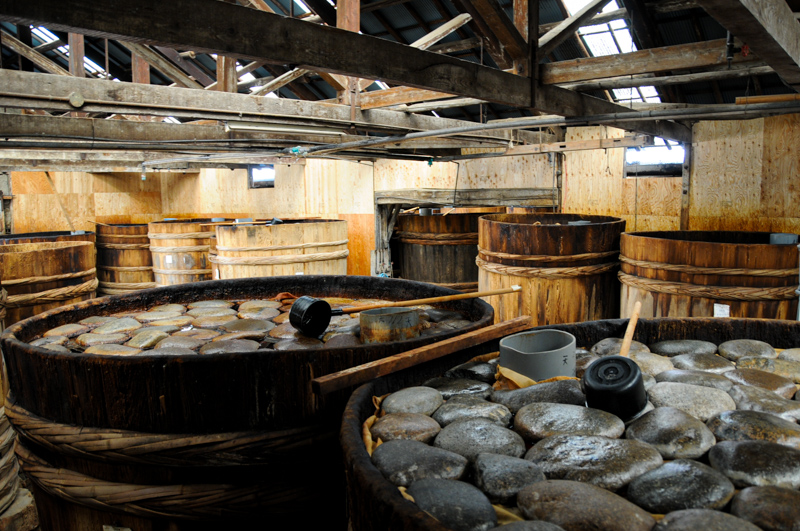
For this reason, a cylinder is placed inside the wooden barrel, and the liquid that naturally accumulates there is scooped up with a ladle and poured back over the stone in a process called "kumikake." This "kumikake" is an essential process for making tamari soy sauce.
"Even when the soy sauce has matured, we check on it every day and frequently add more water. At first glance, it may seem like it is being managed by humans, but you can really feel that soy sauce is made by the power of nature.
"Fermentation can be done efficiently if you control the temperature, but maturation takes time. No matter how much human technology advances, I don't think we can speed up the natural maturation process, and I feel like we can't beat the power of nature," said President Deguchi Tomoyasu.
When we asked about the future of the brewery, he also said the following.
"I'm not thinking about expanding the size of the brewery. I want to make something that is more valuable," he said. When asked, "What do you mean by something valuable?" he replied, "I don't want to make something that is too expensive for everyday use. Something that is essential to daily life. Soy sauce that is made with the right ingredients and with the utmost care. And it's delicious. It's quite simple!"

Tamari soy sauce is not sweet soy sauce
Have you ever seen the label "Tamari Soy Sauce" in the seasoning section?
However, the word "tamari" can have a slightly different meaning depending on the region.
For example, some people call Kyushu's thick, sweet sashimi soy sauce "tamari soy sauce," while in some regions, "soy sauce = tamari" has long been a familiar term.
But in fact, "tamari soy sauce" is one of the well-defined types.
JAS (Japanese Agricultural Standards) classifies soy sauce into five types, one of which is "tamari soy sauce."
It is mainly produced in the Chubu region. Its salt content is almost the same as that of dark soy sauce, so it is by no means a "sweet soy sauce."
However, some people perceive this rich umami as "sweetness" in their taste buds. This may be a mellowness that lies deep within the ingredients, rather than the sweetness of sugar.
I would especially like those who have the image that "tamari soy sauce = sweet soy sauce" to try authentic tamari soy sauce at least once.

Enjoy the rich umami flavor of steak
This limited edition product is carefully aged for three years in cedar barrels and made with only whole soybeans and salt from Aichi Prefecture.
Only a small amount of brine is used in the brewing process. This allows the umami flavor to be tightly concentrated. The nitrogen content of the umami component is a whopping 3.0%. The rich, full-bodied flavor and deep taste, combined with the smooth, mellow taste that only long-term aging can provide, spread throughout your mouth. One bite and you'll never forget it. Such is the powerful thickness and flavor.
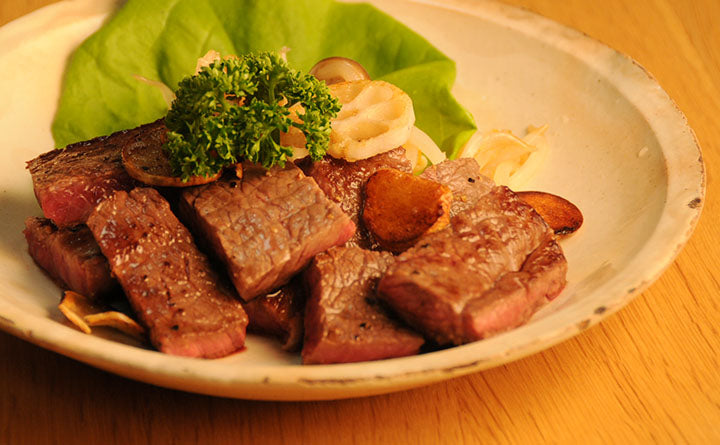
First, add a little to a lean steak. The more you chew, the more the umami of the meat comes out, and the presence of the tamari soy sauce is even greater, creating an exquisite harmony.

Vegetables become a treat
Owari Tamari has a rich, umami flavor that is enough to complete any dish, and even simple preparations can result in a surprisingly satisfying dish.
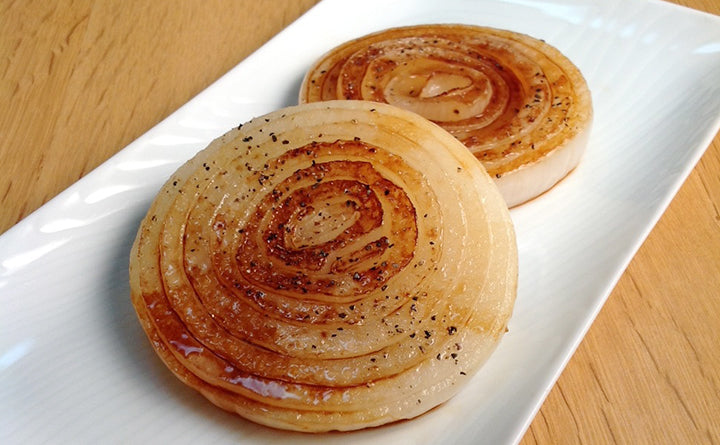
For example, slowly grill some thickly sliced onions in sesame oil. Finish with a dash of black pepper and Owari Tamari. That's all it takes to turn your onions into a feast!
The onions are fragrant on the outside and soft and sweet on the inside, and the rich aroma and umami of tamari combine to create a deep flavor that is almost like a sauce. Even I, who don't like onions, find this dish delicious and want to recommend it to others.
Another recommendation is avocado. The rich, sticky texture is perfectly complemented by the full-bodied flavor of Owari Tamari, which brings out the natural sweetness of the avocado. "Rich, yet not salty." This mellowness is the charm of this Tamari.
Owari Tamari brings out the full flavor of vegetables. Try it when you want to enjoy a special dish while still preserving the flavor of the ingredients.
Popular with ramen shop owners
Many ramen shop owners and those currently in training who are searching for their own ramen visit the store. Owari Tamari is a particular favorite among all the Tamari soy sauces available.
It has a strong, solid umami flavor and the aroma of authentic soy sauce, so the flavor is consistent.
Rather than using it as a base, many people add a small amount to dark soy sauce, and it is said that "just adding a little bit completely changes the flavor of the soup."
However, because production of Owari Tamari is limited, it cannot be sold for commercial use.
Even so, some ramen chefs purchase it for personal use, saying, "There's a flavor that can only be achieved with this soy sauce." If you're trying to make ramen at home, be sure to give it a try.
However, please note that while it will add depth and complexity to the umami flavor, it will also darken the color of the soup. If you are concerned about color, use it sparingly.
Choose options
| 地域 | 都道府県 | 送料 |
|---|---|---|
| 北海道 | 北海道 | 1,200円 |
| 東北 | 青森・岩手・秋田・宮城・山形・福島 | 900円 |
| 関東・中部 | 茨城・栃木・群馬・埼玉・千葉・東京・神奈川・新潟・富山・石川・福井・山梨・長野・岐阜・静岡・愛知・三重 | 800円 |
| 近畿・中国 | 滋賀・京都・大阪・兵庫・奈良・和歌山・鳥取・島根・岡山・広島・山口 | 900円 |
| 四国・九州 | 徳島・香川・愛媛・高知・福岡・佐賀・長崎・熊本・大分・宮崎・鹿児島 | 1,100円 |
| 沖縄 | 沖縄県 | 1,500円 ※6,000円以上で500円 |
ご注文を受けてから3営業日以内の発送を原則としています。海外への発送も承っています。
この100mlの醤油は、専用のギフトボックスに入れてお届けできます。箱は1本用から10本用まであり、熨斗は蝶結び・結切り・熨斗なしからお選びいただけます。
ご注文の際は、醤油と一緒にギフトボックスをカートに入れてください。箱の本数と醤油の本数を揃えていただくと、そのまま包んでお届けします。
気軽な贈りものには、キャップを和紙風の色紙で包むビニール仕様や、2本が入る巾着袋もあります。
ギフトの一覧を見る目的別・人気セット


NEWSLETTER│職人醤油通信
醤油の世界を、もっと深く。
蔵元訪問レポート・季節の使い方・新商品情報など、職人醤油 代表の高橋万太郎がお届けします。
- 蔵元訪問レポート・産地の話
- 季節の料理と醤油の使い分け
- 新着商品・限定セットのご案内
- 読者限定の先行情報
スパムメールは送りません。登録解除はいつでも可能です。