




Enjoy Tofu with Soy Sauce (5 bottles)
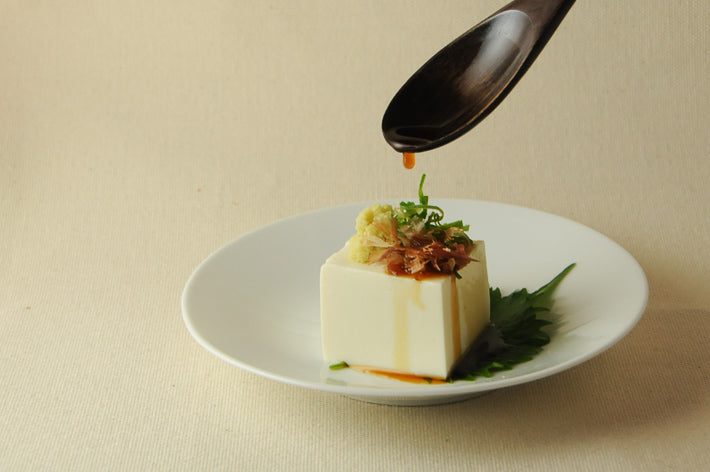
Using different soy sauces will make your cold tofu even more delicious!
のし(無料)

Do you know the basics of soy sauce?
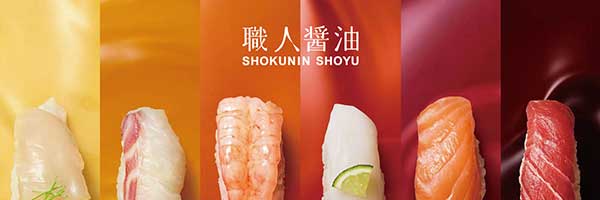
First, let's take a quick look at the different types of soy sauce. According to the Japanese Agricultural Standards (JAS), soy sauce is classified into five categories: white soy sauce, light soy sauce, dark soy sauce, re-brewed soy sauce, and tamari soy sauce. (Shokunin Shoyu adds its own sweet soy sauce, making it a total of six categories.) These differences are due to factors such as the brewing period, fermentation method, and ingredients used. This is why each type has a different color, salt content, and flavor, which makes it fun to use them differently.
Koikuchi soy sauce accounts for approximately 80% of soy sauce produced in Japan. It has an exquisite balance of umami, sweetness, and aroma, making it a versatile type that suits any dish. Shiro soy sauce and usukuchi soy sauce are brewed for a short period of time, so they are light in color and have a light taste. Saishikomi soy sauce and tamari soy sauce are brewed for a long period of time and contain many ingredients. As a result, they are dark in color and have a strong umami flavor.

The secret to low-salt light soy sauce is rice koji
"Light purple" goes well with both regular silken tofu and delicious silken tofu.
Light soy sauce is the perfect match for smooth, melt-in-your-mouth silken tofu.
This soy sauce is made by adding rice koji directly to naturally brewed light soy sauce. The gentle sweetness of this rice koji makes it less salty than regular dark soy sauce, resulting in a very mellow flavor. It also has a mild aroma, which gently enhances the flavor of the ingredients without overpowering them. When poured over chilled silken tofu, it subtly brings out the natural sweetness of the tofu without overpowering the soy sauce flavor.
In fact, there are some surprising uses that customers have told us about.
Apparently, someone who wanted to drink soy milk but didn't like its distinctive smell and taste tried adding a little Tanshi and found it much easier to drink. I love soy milk on its own, but when I added Tanshi to it, it took on a gentler flavor, almost like "drinkable tofu." The gentle aroma of Tanshi gently enveloped the soy milk. This is an arrangement that even those who don't like soy milk should definitely try.

The deep flavor and lingering aroma are irresistible
"Tsurusho" is the best choice for firm tofu, which allows you to fully enjoy the flavor and texture of soybeans.
The rich, re-brewed soy sauce brings out the flavor and texture of the tofu.
Regular dark soy sauce is made by adding salt water to koji, but re-brewed soy sauce is made by adding dark soy sauce instead of salt water. In other words, soy sauce that has already been made is brewed again. This results in a soy sauce that is much richer and has a stronger umami flavor, despite being less salty.
"Tsurusho" is a soy sauce that has been brewed for two years and then aged for another two years, resulting in a deep umami flavor and lingering fragrance, making it a one-of-a-kind soy sauce. When poured over chilled firm tofu, which has a strong umami and texture of soybeans, the firm texture of the tofu and the strong aroma and umami of "Tsurusho" are in perfect harmony. It truly is a taste that is one level above the rest.
It's delicious just pouring Tsurusho sauce over it, but my go-to is to add a little sesame oil. In fact, a customer taught me this. The aromas of Tsurusho and sesame oil complement each other, resulting in a cold tofu that is satisfying in taste, aroma, and texture.
There is a reason why we have chosen to use the term "firm tofu" instead of simply "firm tofu" and instead use the term "firm tofu that allows you to fully experience the umami and texture of soybeans." We will introduce the recommended soy sauce for regular firm tofu later.

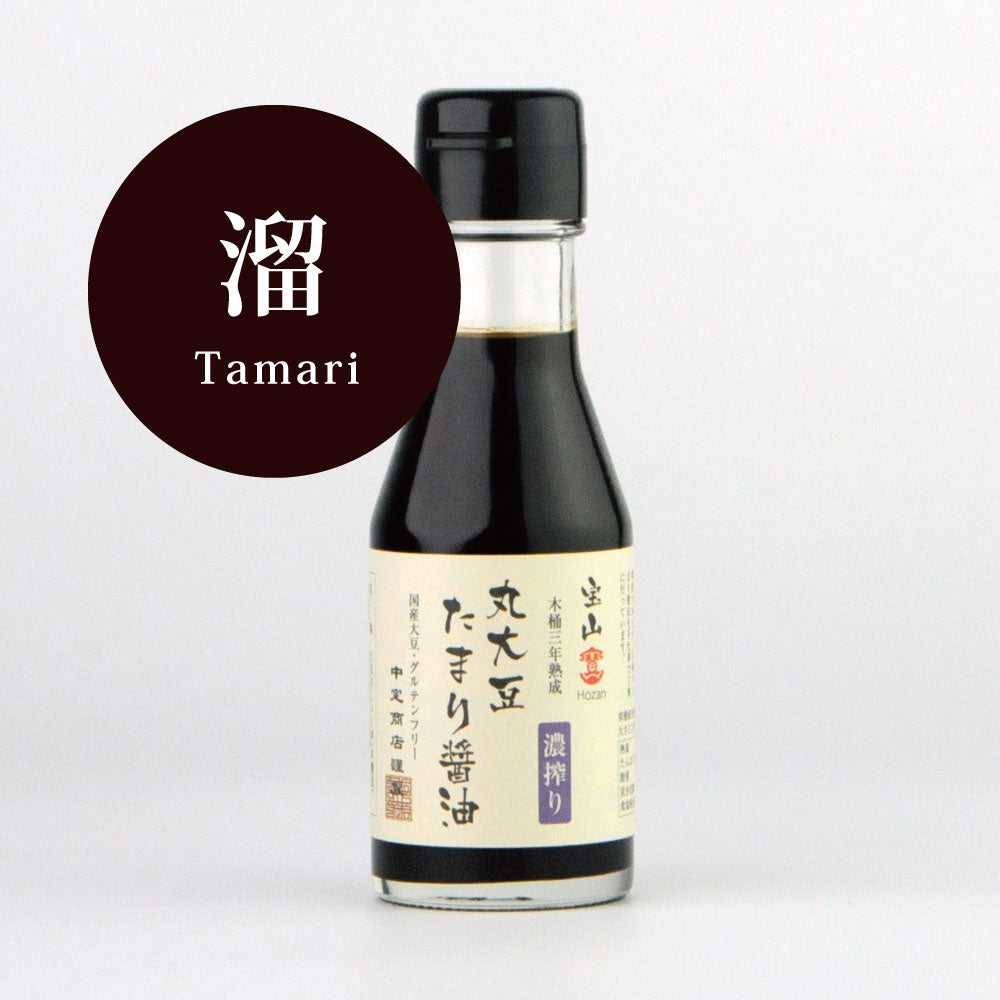
100% soybean umami flavor, 3-year aged tamari soy sauce
"Hozan Marudaizu Tamari" is also recommended as a special sale tofu.
Whether silken or firm, it transforms light tofu into a richer, more flavorful one.
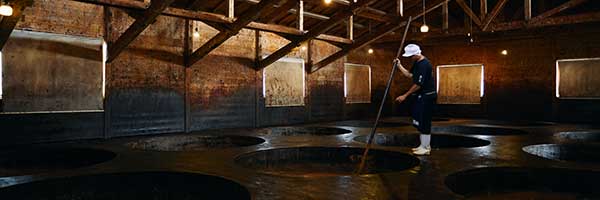
Tamotsu soy sauce has a different ratio of ingredients than light soy sauce, dark soy sauce, and re-brewed soy sauce. It uses a higher proportion of soybeans and less brewing water. It also takes a longer aging period, making it a slow, time-consuming process. It's dark in color, thick and rich, and boasts some of the best umami flavors among soy sauces. People often think that "Kyushu's sweet, rich soy sauce = Tamotsu soy sauce," but in fact, this is something else entirely. Tamotsu soy sauce is primarily produced in the Chubu region, and its salt concentration is roughly the same as dark soy sauce. It's by no means a sweet soy sauce. However, some people perceive its rich umami as "sweet." This may be a mellowness that lies deep within the ingredients, rather than the sweetness of sugar.
"Hakusan Marudaizu Tamari" is a gluten-free soy sauce made with 100% whole soybeans from Aichi Prefecture. Among tamari soy sauces, it has a pleasant aroma, is not too heavy, and is easy to use. That's why even with tofu on sale, the robust umami and aroma of "Hakusan Marudaizu Tamari" will envelop the tofu and elevate its flavor. However, be careful not to add too much. Because it is so rich, just a little is enough. If you add too much, it may feel too salty, so be mindful of using only a small amount.
We also introduced "Awamurasaki" for regular silken tofu, but if you prefer a lighter taste, try "Awamurasaki." If you want to enjoy the strong flavor of soy sauce, try "Hozan Marudaizu Tamari."

"Delicious salt water" that tastes nothing like soy sauce
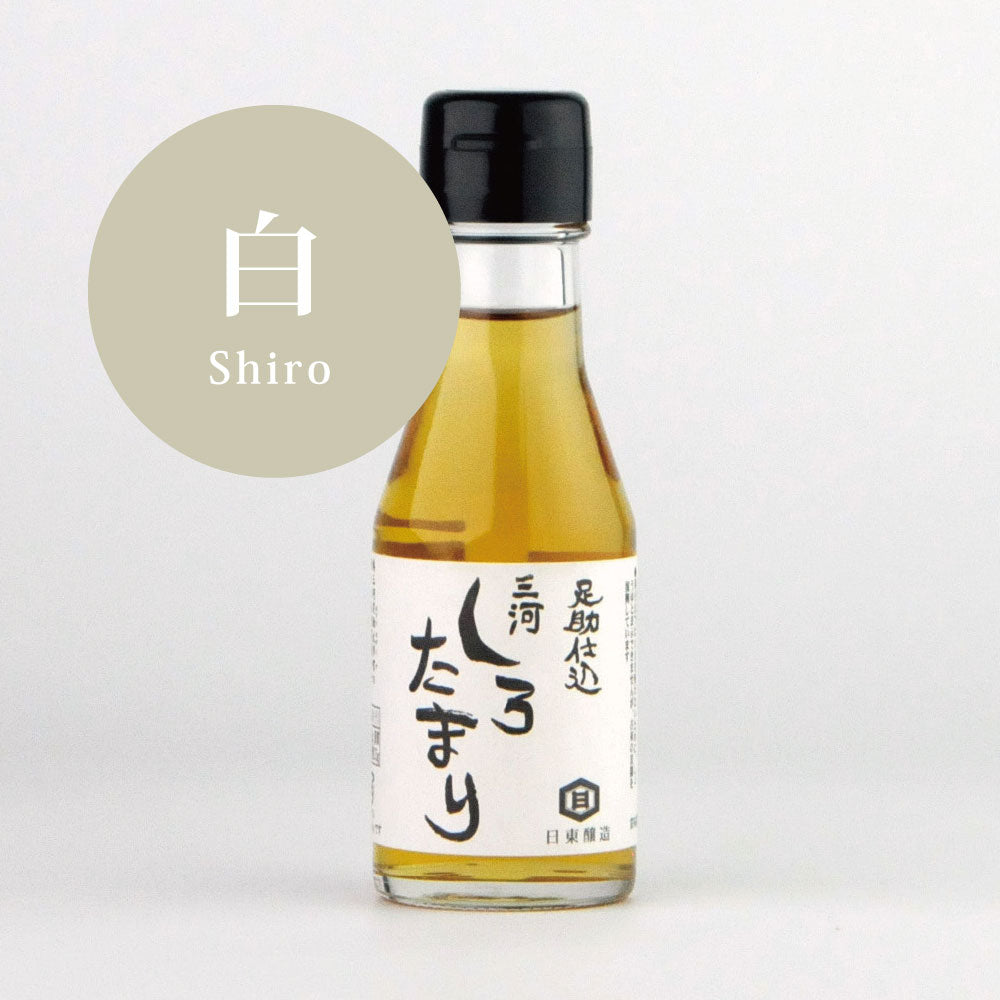
For firm tofu, try Shiro Tamari, which allows you to fully enjoy the umami and texture of soybeans. The gentle saltiness and aroma subtly enhance the flavor of the tofu.
Those seeing white soy sauce for the first time will be amazed by its clarity. It only takes two to three months to mature. Its light flavor and beautiful amber color fully bring out the flavor of the ingredients. Typical "koikuchi" soy sauce is made with a 1:1 ratio of soybeans and wheat. In contrast, white soy sauce is made almost entirely from wheat, with only a small amount of soybeans. While soybeans may be the primary ingredient in soy sauce, the soybeans are actually responsible for the umami flavor, while wheat contributes the sweetness and aroma. Koikuchi soy sauce strikes an exquisite balance between umami and sweetness and aroma, while white soy sauce is made almost entirely from wheat with only a small amount of soybeans, resulting in a lack of the deep flavor typically associated with soy sauce. Instead, the sweetness, aroma, and saltiness of the wheat dominate.
Even among white soy sauces, Shiro Tamari is a bit special in that it does not contain any soybeans. The only ingredients are wheat, salt, and shochu. Regular white soy sauce uses a small amount of soybeans, giving it a subtle soy sauce flavor, but Shiro Tamari has absolutely no soy sauce flavor. The brewer describes it as "delicious salt water," and its charm lies in its mysterious deliciousness, with the gentle sweetness and aroma of wheat spreading softly. Also, while alcohol is generally added to prevent mold from growing, Shiro Tamari is unique in that it uses shochu instead.
It's delicious to pour re-brewed soy sauce over firm tofu, which has a strong soy flavor and texture, to further enhance the soy flavor and enjoy the harmony with the soy sauce, but when you want to bring out the flavor of the tofu itself, Shiro Tamari is still the best recommendation. On the other hand, if you pour it over regular firm tofu that you can get at the supermarket, the saltiness of Shiro Tamari can come out too much and it can feel a bit salty. The tofu and Shiro Tamari may not blend well together and end up being too distinct.

When you want to enjoy the flavors and individuality of the dish
Delicious silken tofu goes well with "Eso fish sauce."
It gently brings out the sweetness and goes well with condiments such as ginger and green onions.
So far, we've introduced four soy sauces, but the last one we'll introduce is "fish sauce." Fish sauce is a seasoning made by salting and fermenting fish. While it has a higher salt concentration than soy sauce, it's not simply salty; it's characterized by a deep, rich, fish-derived flavor. Among them, I'd like to recommend "Eso Fish Sauce." This fish sauce has no odor at all. Many people probably dislike the aroma of regular fish sauce. I'm one of them. However, "Eso Fish Sauce" is an exception. It has a mild aroma and a strong umami flavor. It can be used like a refreshing dashi soy sauce. "Eso Fish Sauce" was developed through a collaboration between Yamasa Chikuwa, a 190-year-old company, and Ichibiki, a long-established soy sauce maker in Aichi Prefecture. Thirty years ago, Ichibiki tried to make sardine fish sauce, but was plagued by the distinctive odor. By salting the "Eso," a top-quality fish paste ingredient, after filleting it with Yamasa Chikuwa, we have succeeded in significantly reducing its odor. By adding soy sauce koji, lactic acid bacteria, and yeast and fermenting the mixture, we have created a fish sauce that is rich in umami and has no unpleasant odor.
It doesn't have the sweetness of dashi soy sauce, but that's exactly why it's perfect with cold tofu, which you want to eat lightly. It's a different way to enjoy the deliciousness of tofu than soy sauce, so be sure to give it a try.

Text: Mori (Shokunin Soy Sauce)
Choose options
| 地域 | 都道府県 | 送料 |
|---|---|---|
| 北海道 | 北海道 | 1,200円 |
| 東北 | 青森・岩手・秋田・宮城・山形・福島 | 900円 |
| 関東・中部 | 茨城・栃木・群馬・埼玉・千葉・東京・神奈川・新潟・富山・石川・福井・山梨・長野・岐阜・静岡・愛知・三重 | 800円 |
| 近畿・中国 | 滋賀・京都・大阪・兵庫・奈良・和歌山・鳥取・島根・岡山・広島・山口 | 900円 |
| 四国・九州 | 徳島・香川・愛媛・高知・福岡・佐賀・長崎・熊本・大分・宮崎・鹿児島 | 1,100円 |
| 沖縄 | 沖縄県 | 1,500円 ※6,000円以上で500円 |
ご注文を受けてから3営業日以内の発送を原則としています。海外への発送も承っています。
このセットは、本数に合ったギフトボックスに入れてお届けできます。熨斗は蝶結び・結切り・熨斗なしからお選びいただけます。
ご注文の際は、セットと一緒にギフトボックスをカートに入れてください。
ギフトの一覧を見る目的別・人気セット


醤油の世界を、もっと深く。
11,000人以上が読んでいます
蔵元訪問レポート、季節の使い分け、醤油をもっと深堀した内容を、代表の高橋万太郎が毎週金曜日にお届けします。
毎週金曜日に配信。いつでも解除できます。