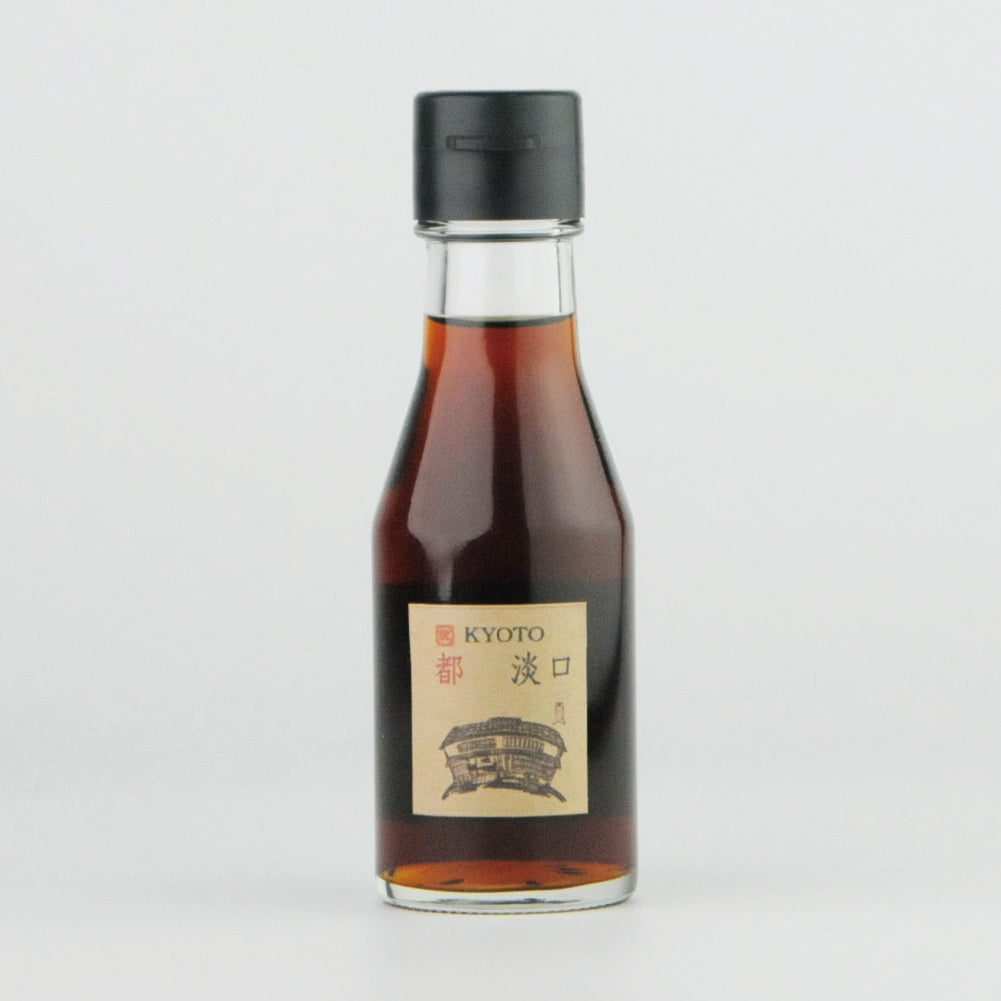
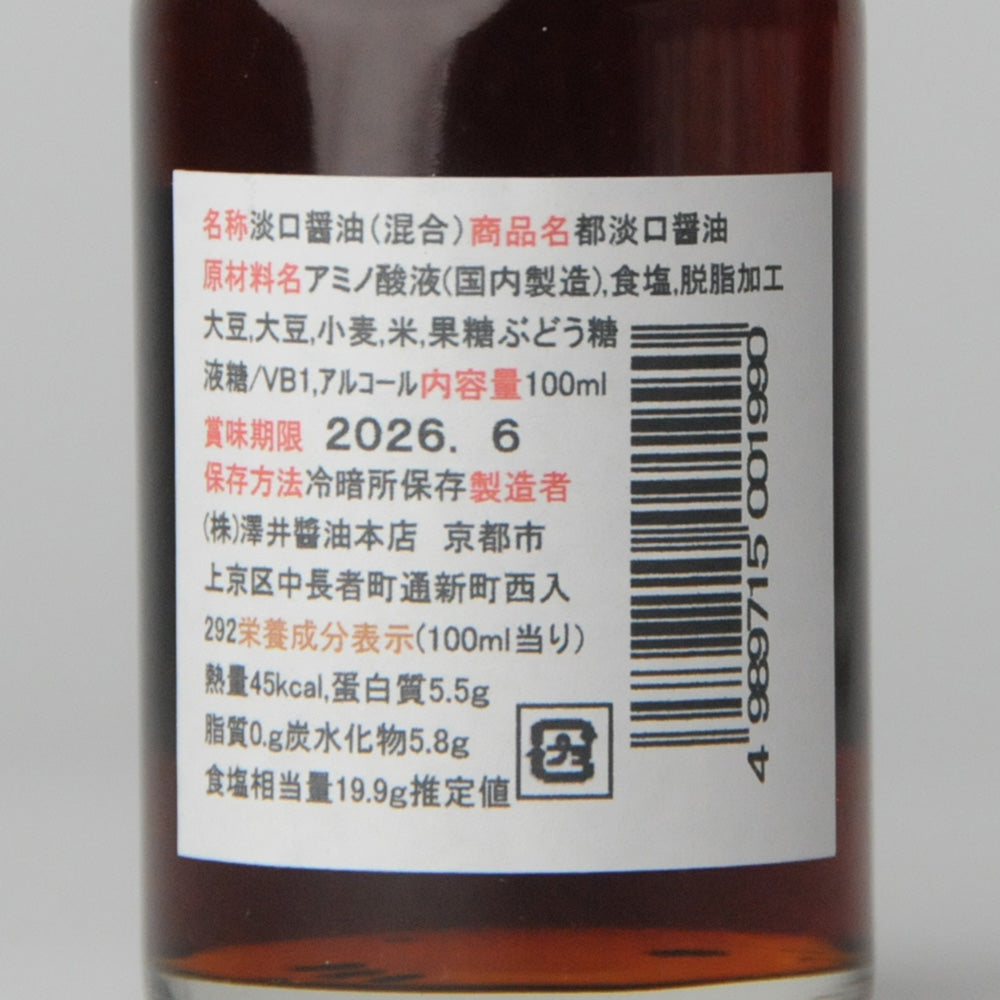
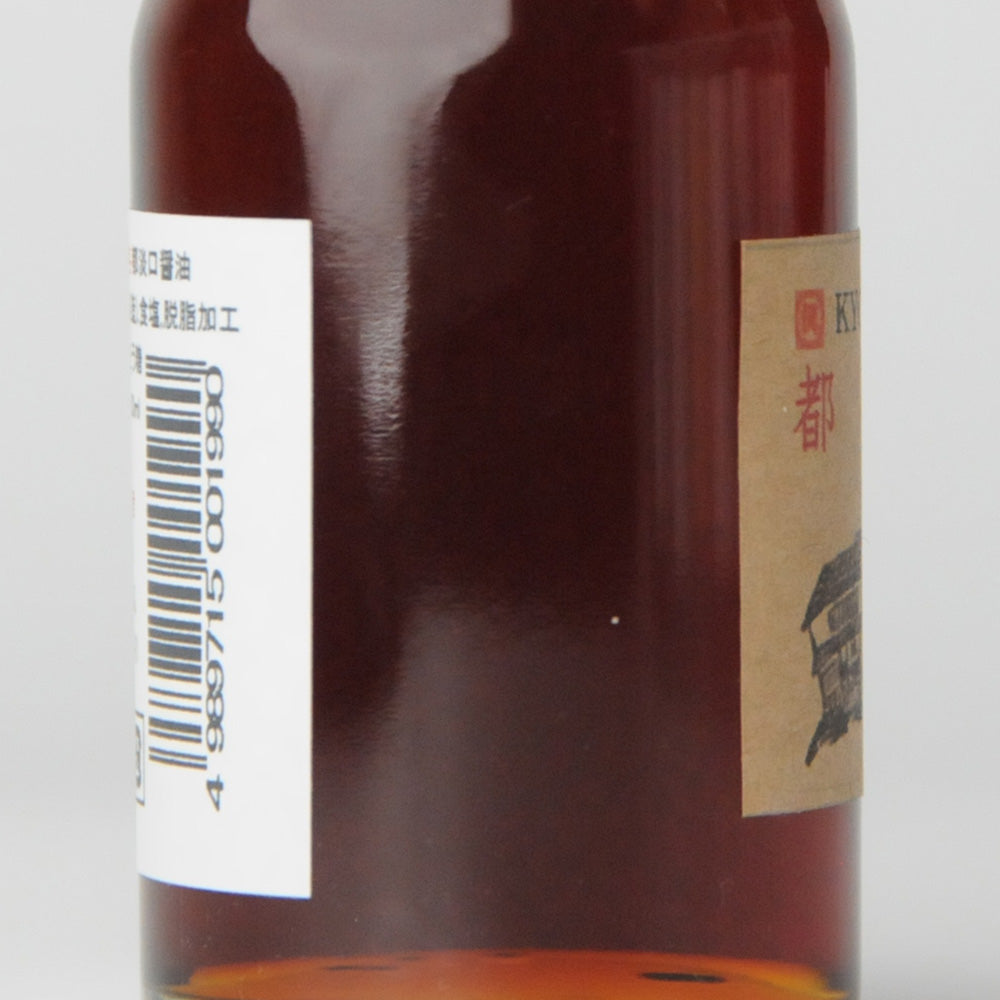
40. Miyako Awasukuchi 100ml
Founded in 1879, it is a favorite of Kyoto's long-established restaurants.
職人醤油 No.40
 A taste that can only be achieved through tradition
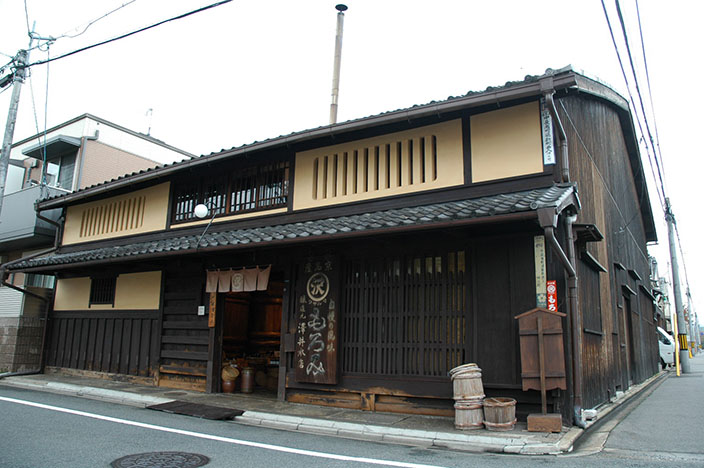
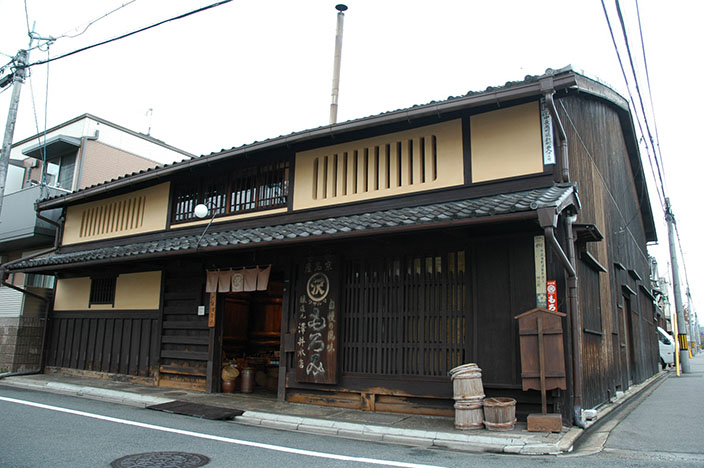
Sawai Soy Sauce Main Store is located about a five-minute walk west from the Kyoto Imperial Palace. Founded in 1879, it moved to its current location four years later, around 1883, and continues to produce soy sauce there.
When it comes to Kansai soy sauce, many people think of light soy sauce. Light soy sauce is characterized by its lighter color than dark soy sauce. To achieve a lighter color, it is produced by increasing the salt concentration to suppress fermentation and lowering the heating temperature.
Light soy sauce can bring out the color of the ingredients, making it an essential ingredient in kaiseki cuisine, which values color. The company has been making high-quality soy sauce with a focus since its founding, and has been supported by many long-established Kyoto kaiseki restaurants, making it the unsung hero of Kyoto cuisine.

Kyoto-style soy sauce making
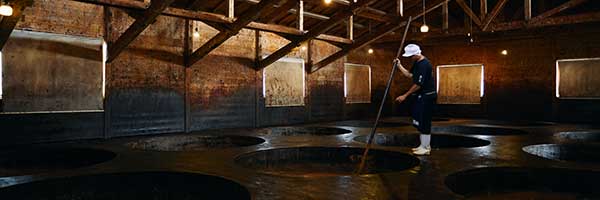
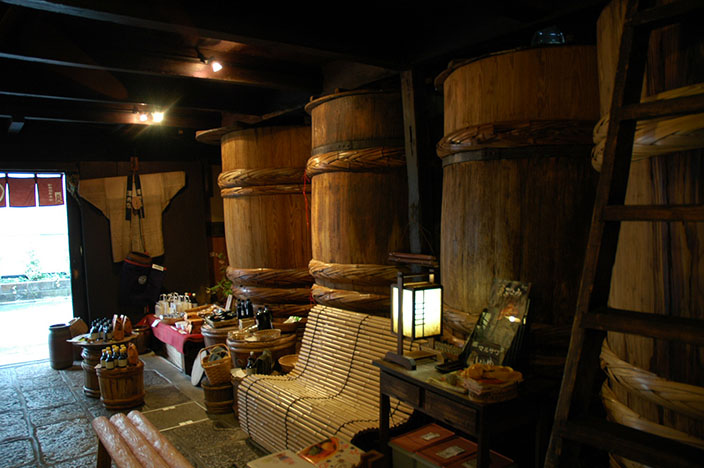
Kyo-machiya houses are characterized by their narrow frontage and long, narrow shape. Step inside and you'll find a store lined with products. Large soy sauce brewing vats are also lined up, and visitors can see the actual vats. Behind them is the brewing area, where wooden vats and large cauldrons have been used since ancient times. The cauldrons are used to heat soybeans using firewood, a process known as "hiire" (pasteurizing). Wooden vats are still in use, and they are where the soy sauce moromi undergoes its fermentation and aging process. The vats are long and narrow to match the structure of a Kyo-machiya, a traditional Kyoto vat shape. While the "muro" (room) where the koji (malt), the base for soy sauce, is made is often covered in concrete or steel, the room at Sawai Soy Sauce Honten is clad in wood. Its structure resembles a room in a machiya, offering a glimpse of Kyoto's unique character.

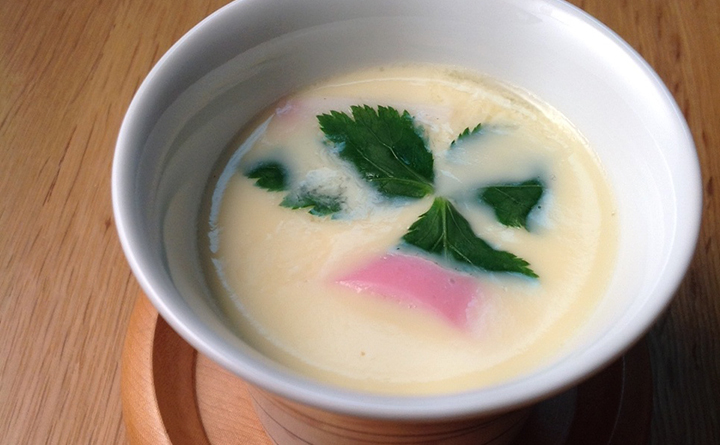
Chawanmushi is known for its soft color and delicious broth
When making chawanmushi, light soy sauce brings out the color of the egg and the aroma and umami of the dashi stock. Miyako light soy sauce skillfully balances the umami and sweetness, so if you want to be praised for your cooking skills, be sure to try it. It is slightly saltier than dark soy sauce, so please adjust the amount accordingly. 
Perfect for stews and rice dishes that bring out the natural flavor of the ingredients
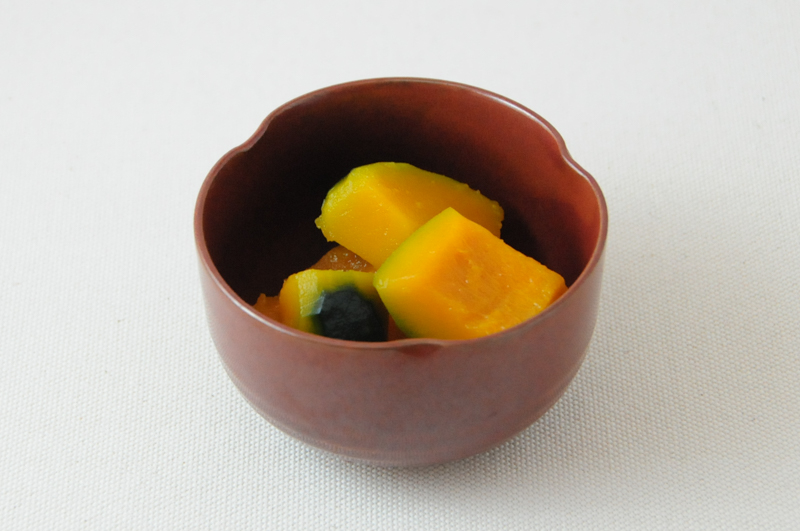
This is recommended for those who want to bring out the color and flavor of ingredients in simmered dishes and seasoned rice dishes while keeping the saltiness to a minimum. When used in simmered dishes with seasonal vegetables, it brings out the sweetness of the ingredients.

As a refreshing soy sauce
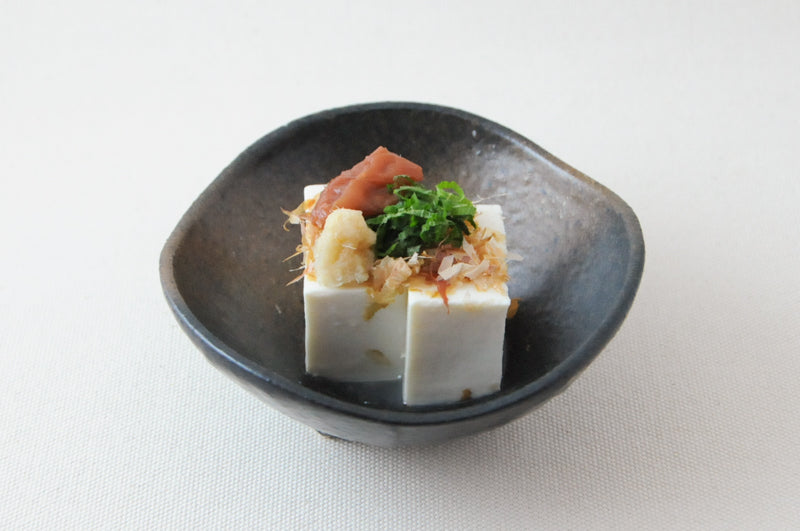
Cold tofu is something we crave in the summer. Just changing the soy sauce can change the flavor. While it's nice to enjoy the rich flavor of soy sauce with a rich, re-brewed soy sauce, we also recommend a refreshing dish with light soy sauce and garnished with pickled plums and shiso leaves.
Choose options
| 地域 | 都道府県 | 送料 |
|---|---|---|
| 北海道 | 北海道 | 1,200円 |
| 東北 | 青森・岩手・秋田・宮城・山形・福島 | 900円 |
| 関東・中部 | 茨城・栃木・群馬・埼玉・千葉・東京・神奈川・新潟・富山・石川・福井・山梨・長野・岐阜・静岡・愛知・三重 | 800円 |
| 近畿・中国 | 滋賀・京都・大阪・兵庫・奈良・和歌山・鳥取・島根・岡山・広島・山口 | 900円 |
| 四国・九州 | 徳島・香川・愛媛・高知・福岡・佐賀・長崎・熊本・大分・宮崎・鹿児島 | 1,100円 |
| 沖縄 | 沖縄県 | 1,500円 ※6,000円以上で500円 |
ご注文を受けてから3営業日以内の発送を原則としています。海外への発送も承っています。
この100mlの醤油は、専用のギフトボックスに入れてお届けできます。箱は1本用から10本用まであり、熨斗は蝶結び・結切り・熨斗なしからお選びいただけます。
ご注文の際は、醤油と一緒にギフトボックスをカートに入れてください。箱の本数と醤油の本数を揃えていただくと、そのまま包んでお届けします。
気軽な贈りものには、キャップを和紙風の色紙で包むビニール仕様や、2本が入る巾着袋もあります。
ギフトの一覧を見る目的別・人気セット


醤油の世界を、もっと深く。
11,000人以上が読んでいます
蔵元訪問レポート、季節の使い分け、醤油をもっと深堀した内容を、代表の高橋万太郎が毎週金曜日にお届けします。
毎週金曜日に配信。いつでも解除できます。