5 soy sauces recommended for gyoza
納品書を同梱してお届けします。
ギフトボックス入りについて
・ギフトボックス代(¥330)を含む価格です。
・ギフトボックスに醤油を入れた状態でお届けし、手提げ袋をお付けします。
・のしを付けなくても、そのまま贈りものとしてお使いいただけます。
・金額のわかる納品書などは同梱いたしません。
のし(無料)
水引の本数をお選びください
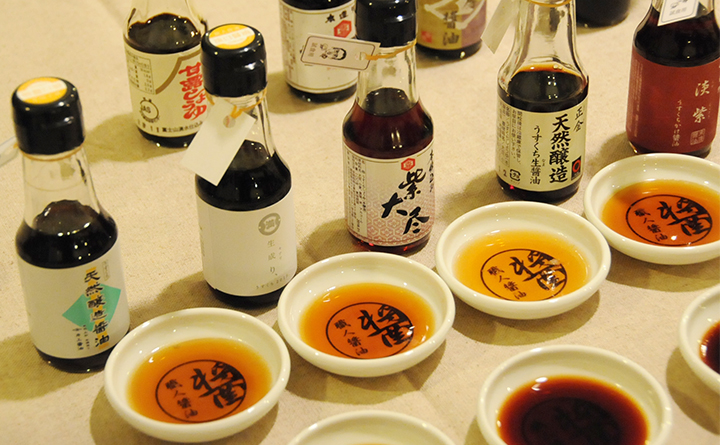
The basic dark sake
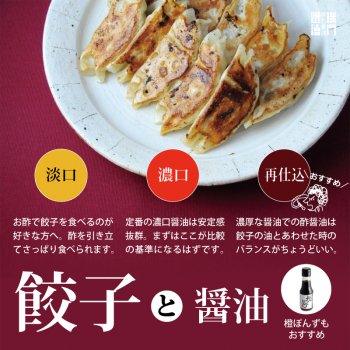
The standard is undoubtedly dark soy sauce. This should be the first standard for comparison. All brands have a good balance with vinegar, making them delicious without any unpleasant flavor.

Hyakuju/Ishimago Main Store (Akita Prefecture)
This brewery continues to maintain traditional methods to the surprise of its competitors. Its versatile flavor goes well with any ingredient, attracting many repeat customers. The distinctive Hyakuju aroma is a highlight, and this soy sauce is a great choice for piping hot gyoza.
I've tried a variety of vinegar soy sauces to go with gyoza, but the vinegar soy sauce made with dark soy sauce is the most reliable. Every brand has a good balance with the vinegar, and they taste delicious without any strange flavor. In particular, the vinegar soy sauce made with Hyakuju brings out the unique aroma of Hyakuju, and even when paired with gyoza, it never feels lacking in flavor.
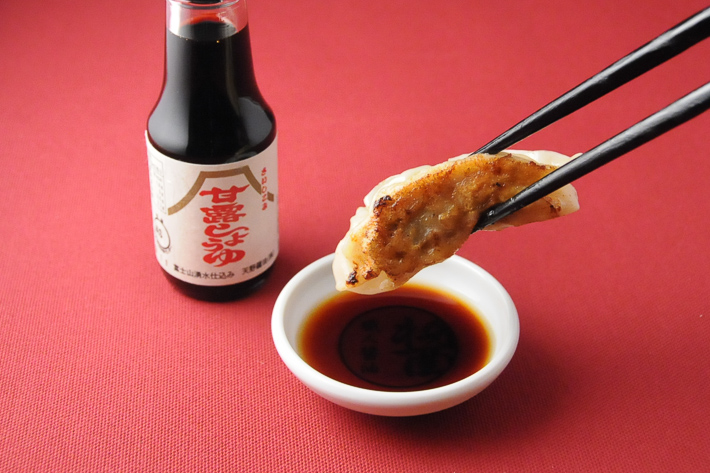
Rich vinegar soy sauce
The re-brewed soy sauce is rich when tasted as is, but when made into vinegar soy sauce, the balance with the oil in the gyoza is just right, allowing you to enjoy the taste of both the vinegar and the soy sauce.
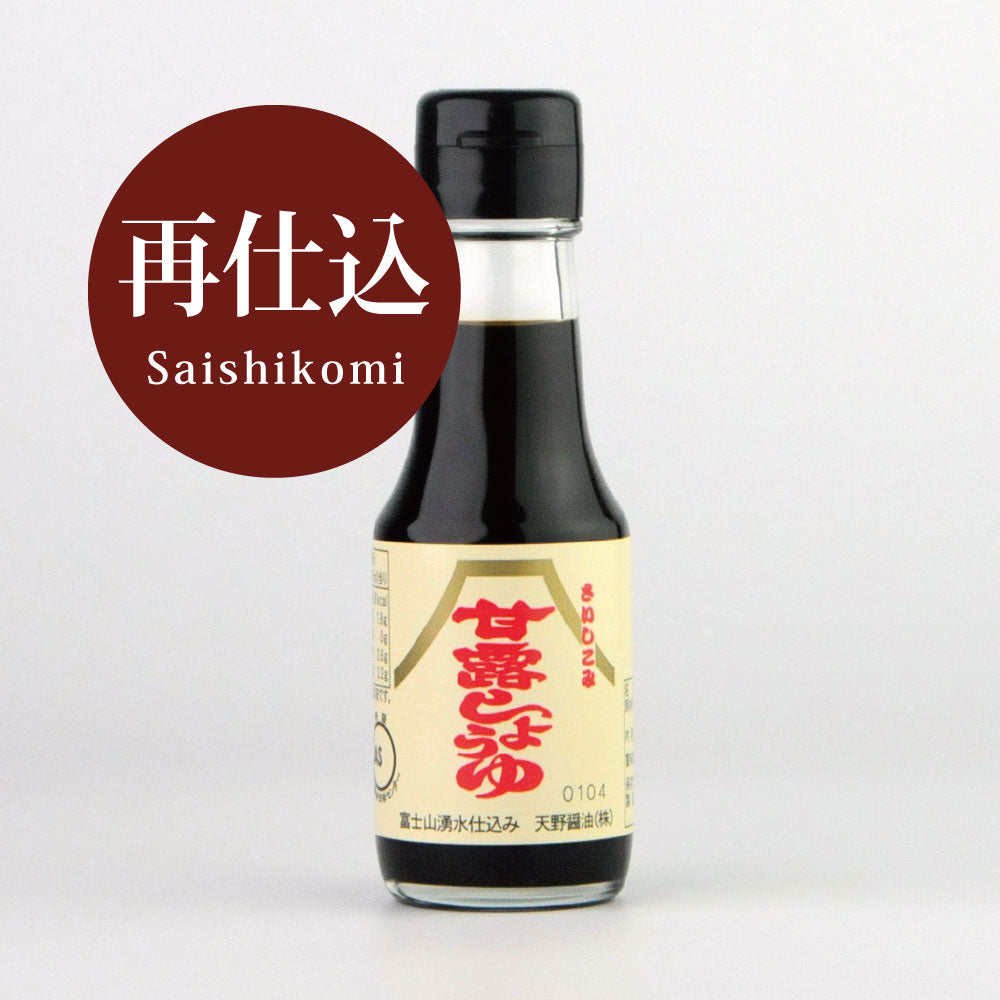
Amano Soy Sauce (Shizuoka Prefecture)
It is aged for over two years using spring water from the foot of Mount Fuji. It is a lighter type of brewed sake. It can be enjoyed with gyoza vinegar soy sauce, hiyayakko (cold tofu), kamaboko (fish cake), scallop sashimi, and other dishes without being too strong.
These gyoza are eaten with vinegar and soy sauce in a 1:1 ratio. If your usual dark soy sauce is not quite strong enough, try using the re-brewed soy sauce. The vinegar and soy sauce made with Kanro soy sauce brings out the flavors of both vinegar and soy sauce, while providing just the right balance with the oil in the gyoza. This was the most popular among our staff!

Amuro Soy Sauce / Okubo Brewery (Nagano Prefecture)
Many people are fascinated by the world of soy sauce after discovering this soy sauce. It is made by adding soy sauce koji to the moromi mash that has been brewed for a year, and then adding rice koji. It is rich and fragrant, and you can really feel the depth of fermentation. Try it first as a dipping sauce and then as a pouring soy sauce.
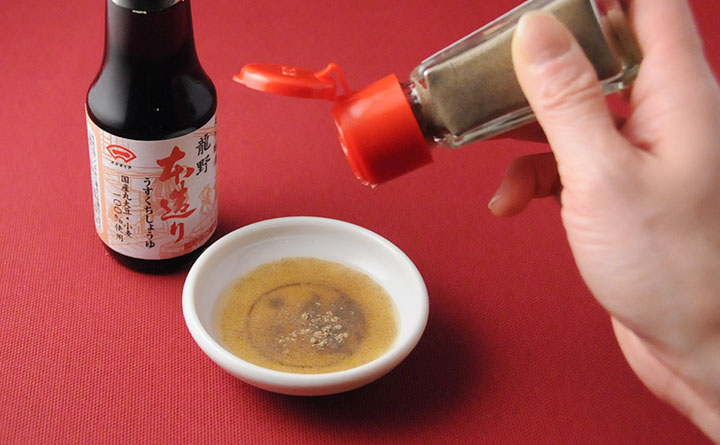
Vinegar, pepper and a little light soy sauce are delicious
Add pepper to vinegar soy sauce. Light soy sauce goes well with this, and I recommend using a 2:1 ratio of vinegar to soy sauce and adding plenty of pepper.

Pale purple/Suehiro Soy Sauce (Hyogo Prefecture)
Light soy sauce is perfect for dipping in food. It brings out the flavor and taste of the ingredients, making for a different taste experience than regular soy sauce. The light soy sauce's distinctive saltiness is mellowed out with the addition of rice koji.
The mellow saltiness brings out the sweetness of the pork without overpowering the gyoza with the soy sauce flavor. With one bite, the meat juice oozes out, and the sweetness and umami fill your mouth. It doesn't feel salty at all.

Orange Ponzu / Kuwata Soy Sauce (Yamaguchi Prefecture)
The tart yet sweet daidai ponzu sauce pairs well with meat. It's an authentic vinegar made without using brewed vinegar, blending plenty of fruit juice with kelp and bonito stock.
It goes well with gyoza, hotpot, and salads. Yamaguchi Prefecture's fugu cuisine is a must-have for its sashimi, and its unique aroma and sweet flavor make it a great choice for those who like strong ponzu sauces. It's also packed with daidai juice, with a ratio of over 50%.
Choose options
| 地域 | 都道府県 | 送料 |
|---|---|---|
| 北海道 | 北海道 | 1,200円 |
| 東北 | 青森・岩手・秋田・宮城・山形・福島 | 900円 |
| 関東・中部 | 茨城・栃木・群馬・埼玉・千葉・東京・神奈川・新潟・富山・石川・福井・山梨・長野・岐阜・静岡・愛知・三重 | 800円 |
| 近畿・中国 | 滋賀・京都・大阪・兵庫・奈良・和歌山・鳥取・島根・岡山・広島・山口 | 900円 |
| 四国・九州 | 徳島・香川・愛媛・高知・福岡・佐賀・長崎・熊本・大分・宮崎・鹿児島 | 1,100円 |
| 沖縄 | 沖縄県 | 1,500円 ※6,000円以上で500円 |
ご注文を受けてから3営業日以内の発送を原則としています。海外への発送も承っています。
このセットは、本数に合ったギフトボックスに入れてお届けできます。熨斗は蝶結び・結切り・熨斗なしからお選びいただけます。
ご注文の際は、セットと一緒にギフトボックスをカートに入れてください。
ギフトの一覧を見る目的別・人気セット


醤油の世界を、もっと深く。
11,000人以上が読んでいます
蔵元訪問レポート、季節の使い分け、醤油をもっと深堀した内容を、代表の高橋万太郎が毎週金曜日にお届けします。
毎週金曜日に配信。いつでも解除できます。