
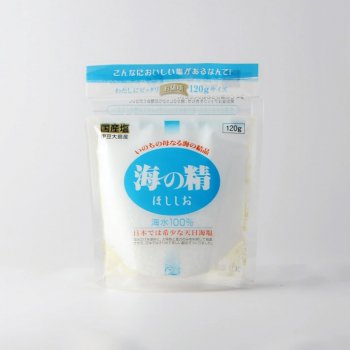
Sea Spirit Star Salt 120g
Very rare domestic sun-dried salt
Shokunin Shoyu No. 3070
"Umi no Sei" sea salt from Izu Oshima, a tradition carried on by generations of people
"Umi no Sei" is a domestic sea salt from Izu Oshima that revives the traditional Japanese salt-making method that had once been lost. It is made using only clean seawater, the sun, the wind, and a traditional open-air pot, so it contains no chemical additives. However, it is not just salty, but also has a natural sweetness and mellowness that comes from being rich in sea minerals. It is made with the aim of creating a "truly delicious salt" that will make your everyday cooking just that little bit more special. It brings out the flavor of the ingredients, so the simpler the dish, the more noticeable the difference.
|
Types of salt |
Manufacturing method (concentrated) |
Manufacturing method (crystallization) |
Texture and appearance | Taste and characteristics | Recommended uses |
| Star salt | solar concentration | Sun-dried crystals (non-heated) |
Coarse grain granular | Mellow sweetness, rich in minerals, and the scent of the seashore | Dipping salt Tempura Rice balls Making sweets |
| Arashio | solar concentration | Crystallization in a pan (heating) | Moist medium grain | Well-balanced and rich flavor | All-purpose seasoning for simmered and fried dishes |
| Arashio Dry | solar concentration | Flat pot → Low temperature drying |
Smooth, medium grain | Same taste as Arashio and easy to use | Tabletop salt shaker for everyday use |
| Grilled salt | solar concentration | Flat pot→ Fired at 600℃ |
Powdery white | Smooth and moisture-resistant | Pickles and miso preparation |
| General overseas sun-dried salt | solar concentration | Sun-dried crystals (mass production) |
coarse grain white | Salty Simple | Basic seasoning for mass cooking |
| refined salt | Ion Exchange Membrane Method | Electrolysis → Boil down |
Fine grain pure white | Only pure saltiness | General cooking and preserving food |
"Star salt" made only from the sun and wind
"Hoshishio" is a luxurious, domestically produced sun-dried salt made from 100% rich seawater from the Kuroshio Current off Izu Oshima. The seawater is carefully concentrated in special salt fields, and then crystallized using only the power of the sun and wind - a painstaking process. It is made slowly, over time, by hand every day. This method, which relies entirely on nature and does not involve the use of fire, is quite rare in Japan, and is precisely why the minerals and flavor of the sea are preserved. It cannot be mass-produced, but each grain is packed with the blessings of nature, resulting in a special salt.
The scent of the sea and minerals from the ocean
Hoshishio is not only salty, but also has a moderate sweetness and richness, with a subtle scent of the sea. It contains a balanced amount of minerals derived from seawater, including not only sodium but also magnesium, calcium, and potassium. The grains are large and melt easily in your mouth, so when you use it in cooking, you'll realize that it's a little different from regular salt. It can be used in a wide variety of dishes, not just Japanese cuisine, but also to bring out the flavor of the ingredients.
Q. Is it amazing that the raw material is 100% seawater from Izu Oshima?
Yes, it is indeed amazing that we use 100% seawater from Izu Oshima as our raw material. There are several reasons for this.
The current state of salt production in Japan
In Japan, "producing sun-dried salt requires vast areas of land and a dry climate, which unfortunately is not suited to Japan's climate." The main method of producing salt in Japan is to boil seawater and dry it, which requires a large amount of fossil fuels.
The unique location of Izu Oshima
Izu Oshima is located in an area where the Kuroshio Current flows, making it a blessed environment with clean seawater. Another major benefit is that the island's location allows it to secure seawater that is relatively unpolluted.
The meaning of 100% seawater
The reality is that many salt manufacturers use imported salt due to cost considerations. Making domestic salt using 100% seawater requires significantly more production costs and effort.
Reviving the old-fashioned method
Umi no Sei is a brand that revives traditional Japanese salt making, which was once discontinued. It is a culturally and historically significant initiative that revives a traditional manufacturing method that was discontinued in 1971.
In other words, it's not just that it's "100% seawater," but it's also extremely valuable in that it continues to use a production method that is not suited to Japan's climate and environment, preserving tradition.
Q. What are the benefits of mineral-rich salt?
Differences in taste
Refined salt is over 99% sodium, so it only tastes purely salty. On the other hand, mineral-rich sea salt contains magnesium (bitterness and richness), calcium (mellowness), and potassium (sweetness), giving it a complex and deep flavor.
When you compare the taste of the two, you'll find that refined salt has a straightforward salty taste, while natural salt like Sea Spirit has a mellow flavor that's more than just salty. It also has the power to bring out the sweetness of ingredients, allowing you to enjoy the natural flavor of vegetables and meat even more.
Effects on the body
It is said that consuming sodium together with other minerals puts less strain on the body than sodium alone. Magnesium and potassium also help excrete sodium, leading to a balanced mineral intake.
Difference in aftertaste
Salt rich in minerals has the characteristic of having a "clean aftertaste." This is because the multiple minerals interact with each other to soften the simple saltiness.
This difference becomes especially apparent when used in cooking, especially in simpler dishes.
\Recommended usage/

1. Use the size and sweetness of the grains to make decorative salt or dipping salt
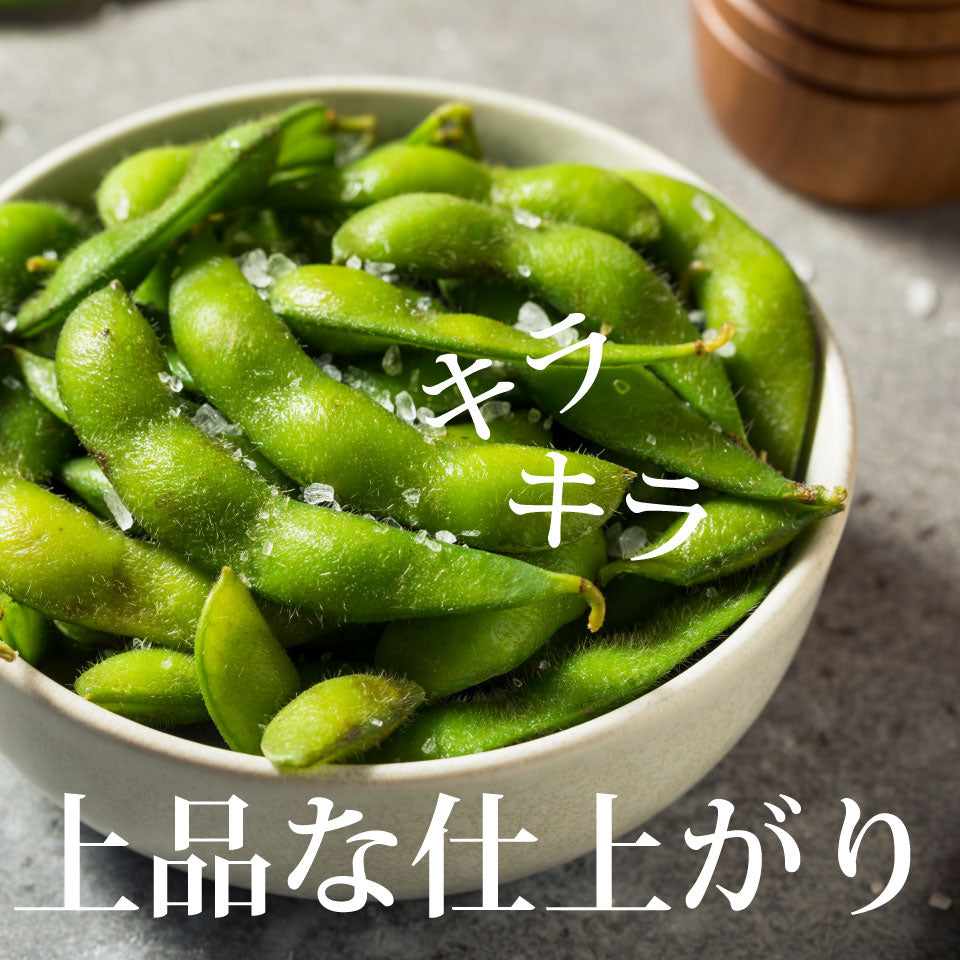
The fine grains of Hoshishio look beautiful and are perfect as a decorative salt. I often use it by sprinkling it on boiled broad beans or edamame beans. Because the grains are firm, they sparkle on the vegetables, like a studded jewel! And when you bite into one grain, it's not just salty, but the subtle sweetness that spreads throughout your mouth is truly moving. When used as a dipping salt, it has a refined finish that is clearly different from regular salt, making it an indispensable addition when you want to create a special dining experience.

2. As a finishing touch to tempura and sushi
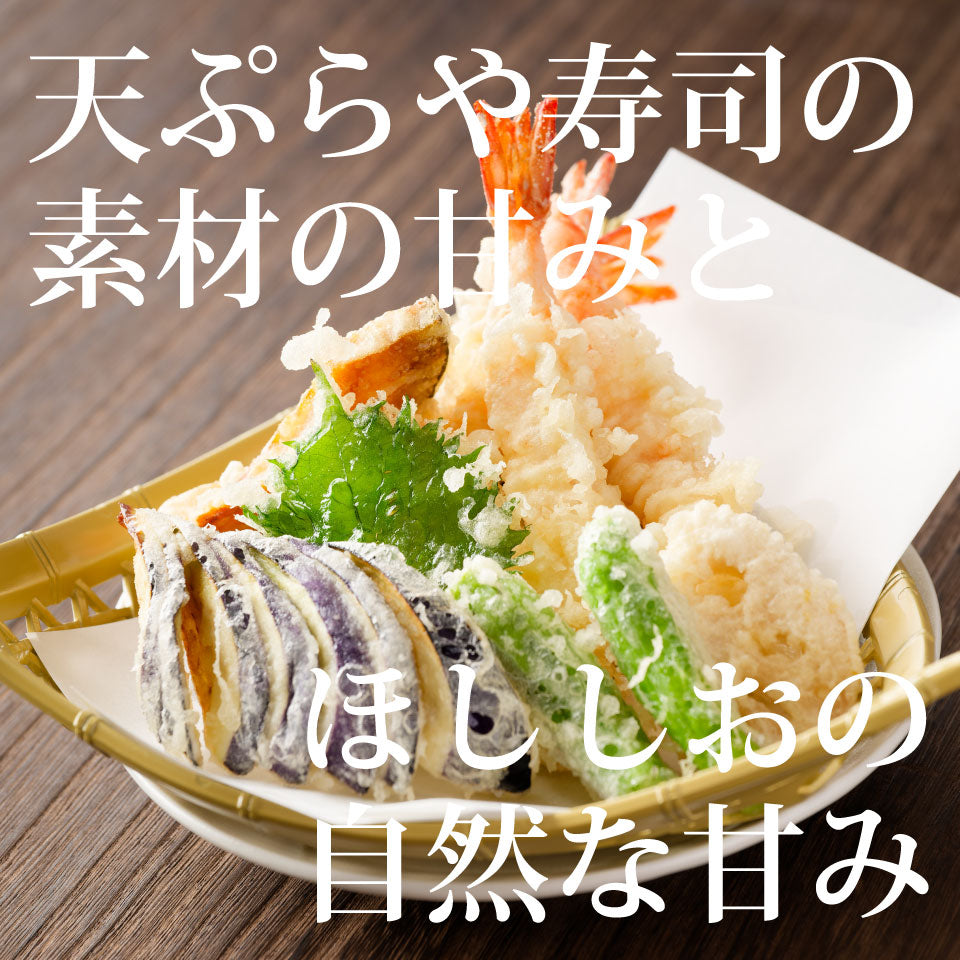
I'll never forget the surprise I felt when I dipped tempura in dried salt. While regular tempura sauce is good, this salt is more than delicious on its own. When paired with shrimp or vegetable tempura in particular, the natural sweetness of the dried salt matches perfectly with the sweetness of the ingredients, resulting in a refined flavor. When I get hold of fresh-looking squid or white fish sushi, I sometimes eat it with dried salt instead of soy sauce. It's nice to be able to recreate at home that elegant feeling of a chef quickly sprinkling salt on something at a sushi restaurant.

3. Use as a snack with sake or shochu
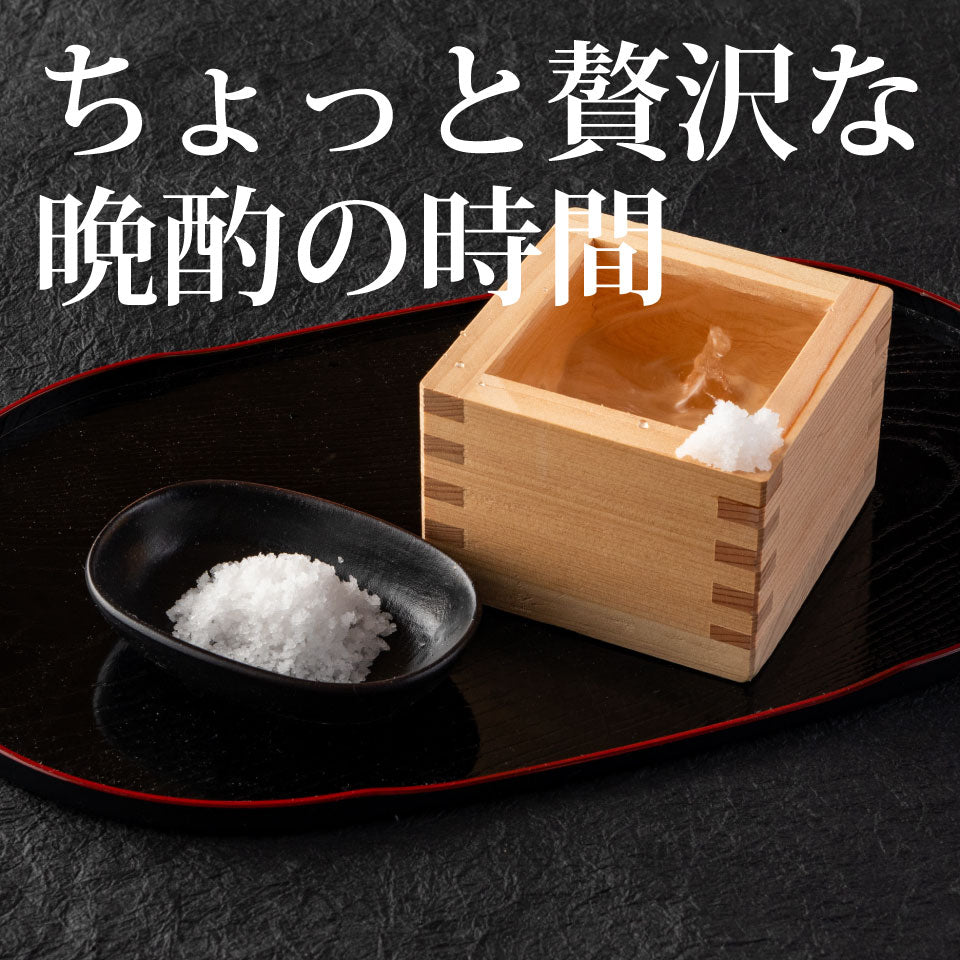
My evening drinking time has become so much more fulfilling since I started using hoshishio as a snack. While sipping my sake, I pick up a little with my fingertips and lick it. This moment is incredibly luxurious, and the sweetness of the sake and the mellow saltiness of the hoshishio blend in harmony in my mouth, enveloping me in an indescribable sense of happiness. When pairing it with shochu (Japanese liquor) with water, I also recommend dipping a little on the rim of the glass and drinking it. The minerality of the salt deepens the flavor of the sake, so even a smaller amount than usual can still be satisfying. When I casually serve it over to friends, they always get excited and ask, "Where's that salt from?"

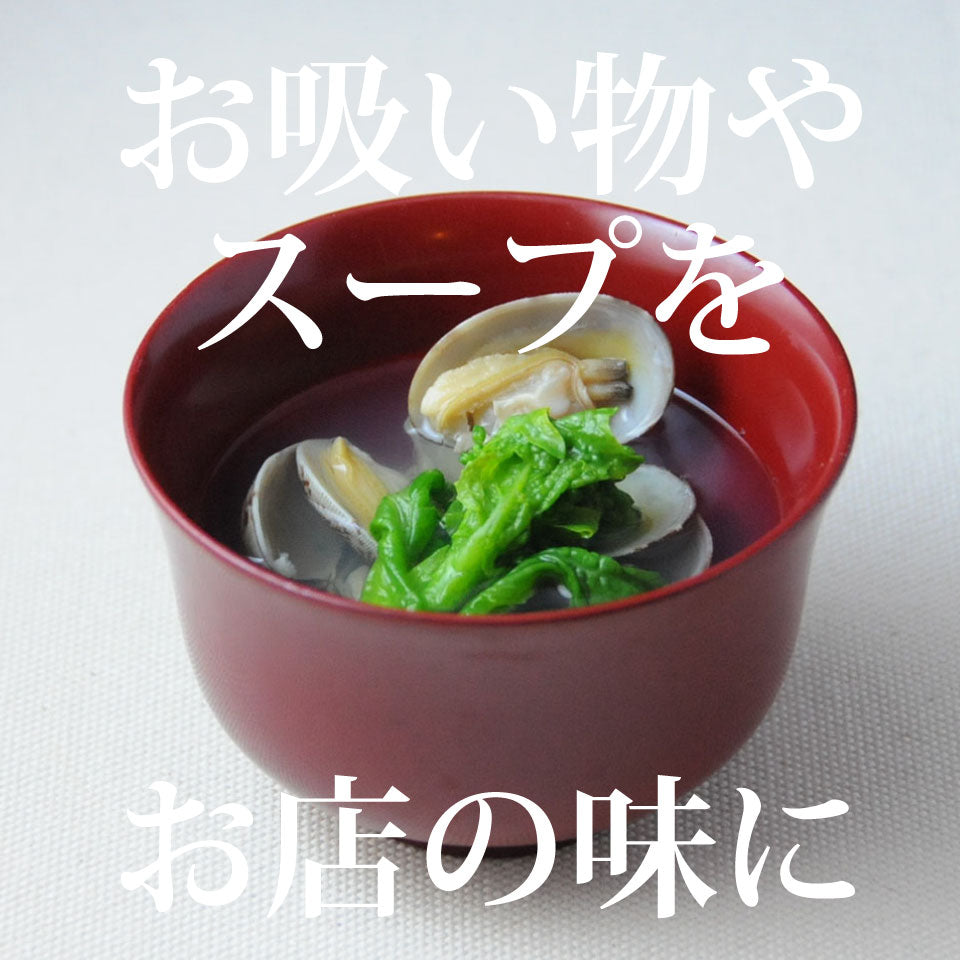
4. Add it to clear soups and clear soups to bring out their elegant sweetness and umami.
When I get a little bored of making the usual miso soup, I make a clear soup using dried salt, and my husband is delighted, saying, "Today's soup is different!" Just adding a pinch of dried salt to kelp stock creates a surprisingly refined and deep flavor. It also goes surprisingly well with Western-style soups, and adding a little to consommé soup transforms your ordinary soup into something that looks like a restaurant dish. The key to adding salt is near the end; to bring out the delicate flavor of dried salt, sprinkle it in just before turning off the heat.
Choose options
目的別・人気セット


NEWSLETTER│職人醤油通信
醤油の世界を、もっと深く。
蔵元訪問レポート・季節の使い方・新商品情報など、職人醤油 代表の高橋万太郎がお届けします。
- 蔵元訪問レポート・産地の話
- 季節の料理と醤油の使い分け
- 新着商品・限定セットのご案内
- 読者限定の先行情報
スパムメールは送りません。登録解除はいつでも可能です。