

Enjoy tuna to the fullest 5 pieces
Shokunin Shoyu No.

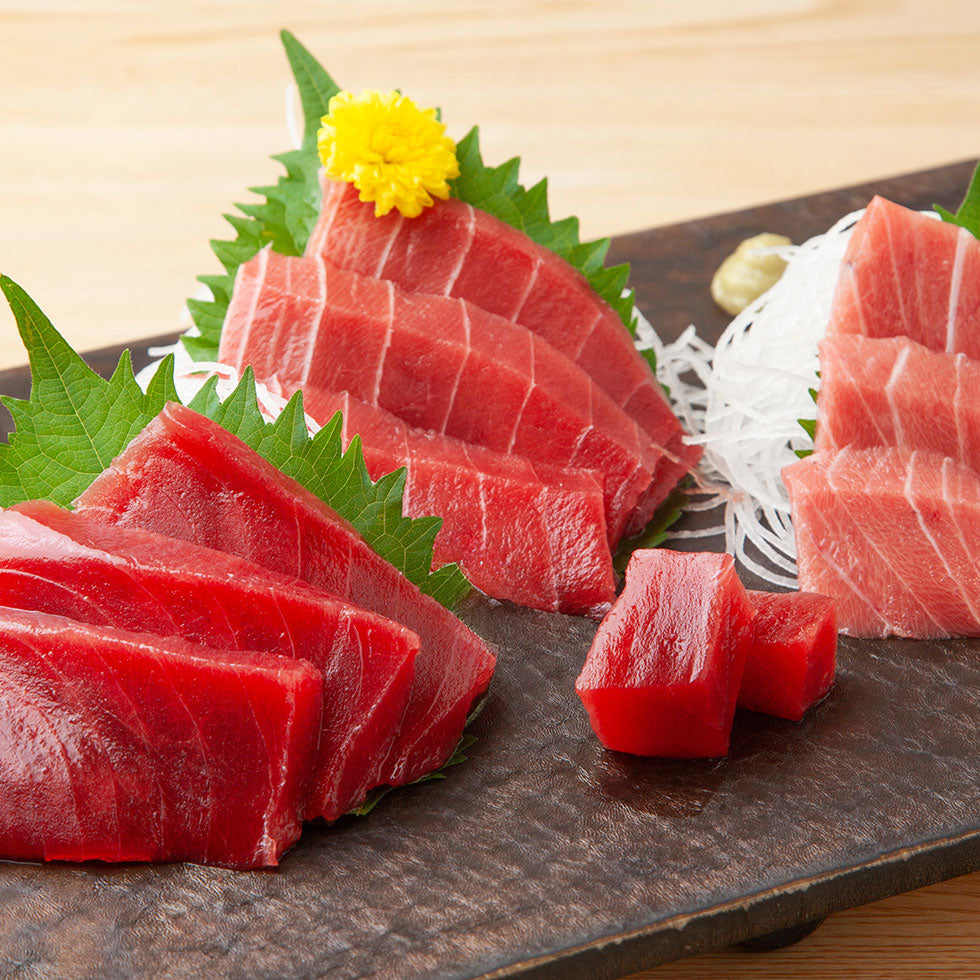
When it comes to classic sashimi, it's gotta be tuna
Tuna is a fish that is easily available year-round, and each part has its own unique flavor: lean, medium-fatty, and fatty. The lean meat is refreshing, the medium-fatty has a rich, fatty flavor, and the fatty is melt-in-your-mouth rich. The fact that one fish can have such a wide range of flavors is one of the charms of tuna. However, sometimes you can detect the distinctive tuna flavors, such as an irony or bloody taste, especially in the lean meat. Whether this taste is transformed into a delicious flavor or just ends up being a bit of a concern is actually up to the soy sauce. Generally, tuna pairs well with rich, re-brewed soy sauce or tamari soy sauce, but we've selected five soy sauces that are particularly recommended!

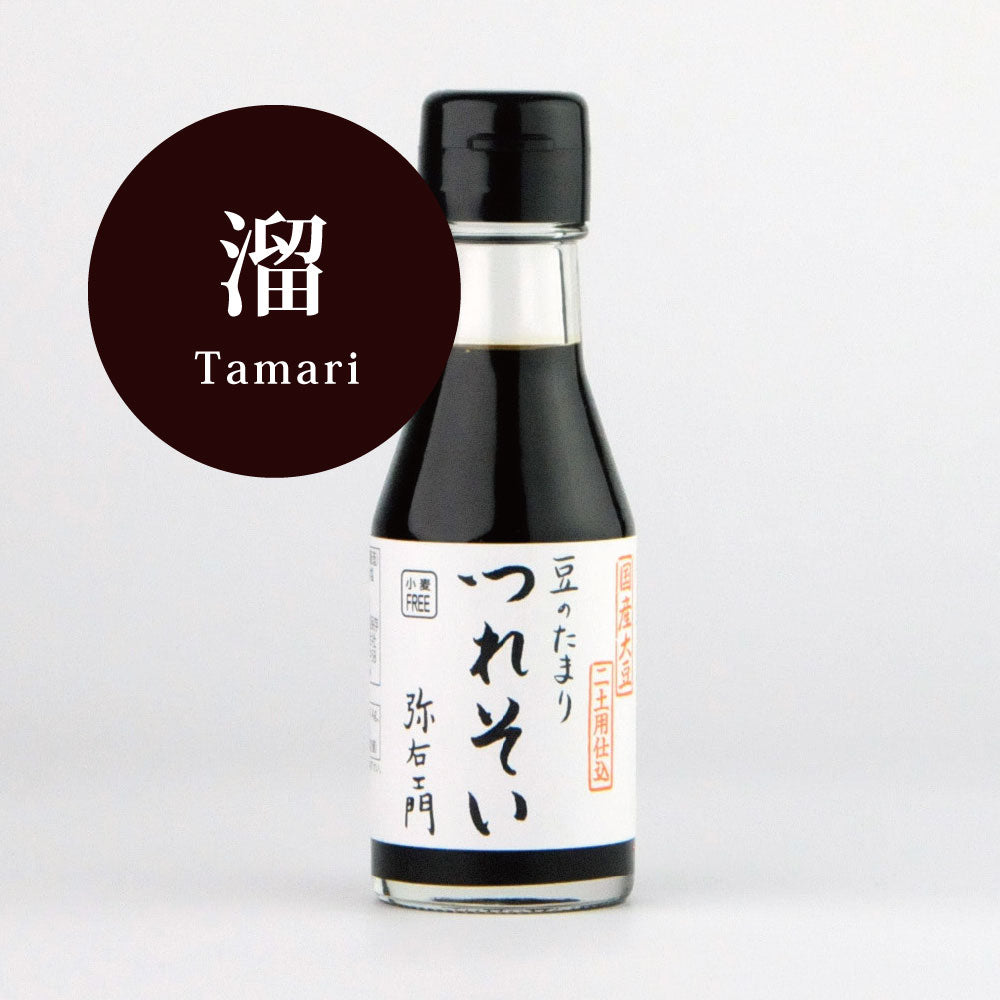
Tsuresoi / Minamizo Shoten (Aichi Prefecture)
The first bottle is "Tsuresoy," a tamari soy sauce that's also included in the "Let's Get Started! Sashimi Beginner's Edition" set. Tamari soy sauce is made with a high proportion of soybeans and less water. Furthermore, because it's aged slowly over a long period of time, it's dark in color, thick and rich, and boasts some of the best umami flavors among soy sauces. While many people tend to think of "Kyushu's sweet and creamy soy sauce = tamari soy sauce," this is actually something completely different. Tamari soy sauce is primarily produced in the Chubu region, and its salt concentration is roughly the same as that of dark soy sauce. It's by no means a sweet soy sauce. However, some people may perceive its rich umami as "sweet." This may be a kind of mellowness that lies deep within the ingredients, rather than the sweetness of sugar.
"Tsuresoi" is a gluten-free soy sauce made with 100% whole soybeans from Aichi Prefecture. It is brewed using a "five-minute brewing" method, which uses only half the amount of water compared to soybeans. This results in a rich, flavor-packed soy sauce. It is also made by blending the concentrated extract (namahiki) that drips from the bottom of the barrel with pressed moromi (mixed seasoning). It is not a thick, jet-black soy sauce, but rather a reddish-brown, crisp soy sauce with a fruity aroma and a low salt content of 14-15%.
We recommend red meat sashimi. The moment you bite into it, the umami of the soy sauce spreads before the fish does, completely eliminating the bloody taste and fishy smell of the red meat. The rich aftertaste of the soy sauce lingers softly. However, "Tsuresoi" is not just powerful. It has just the right thickness, making the light red meat delicious.

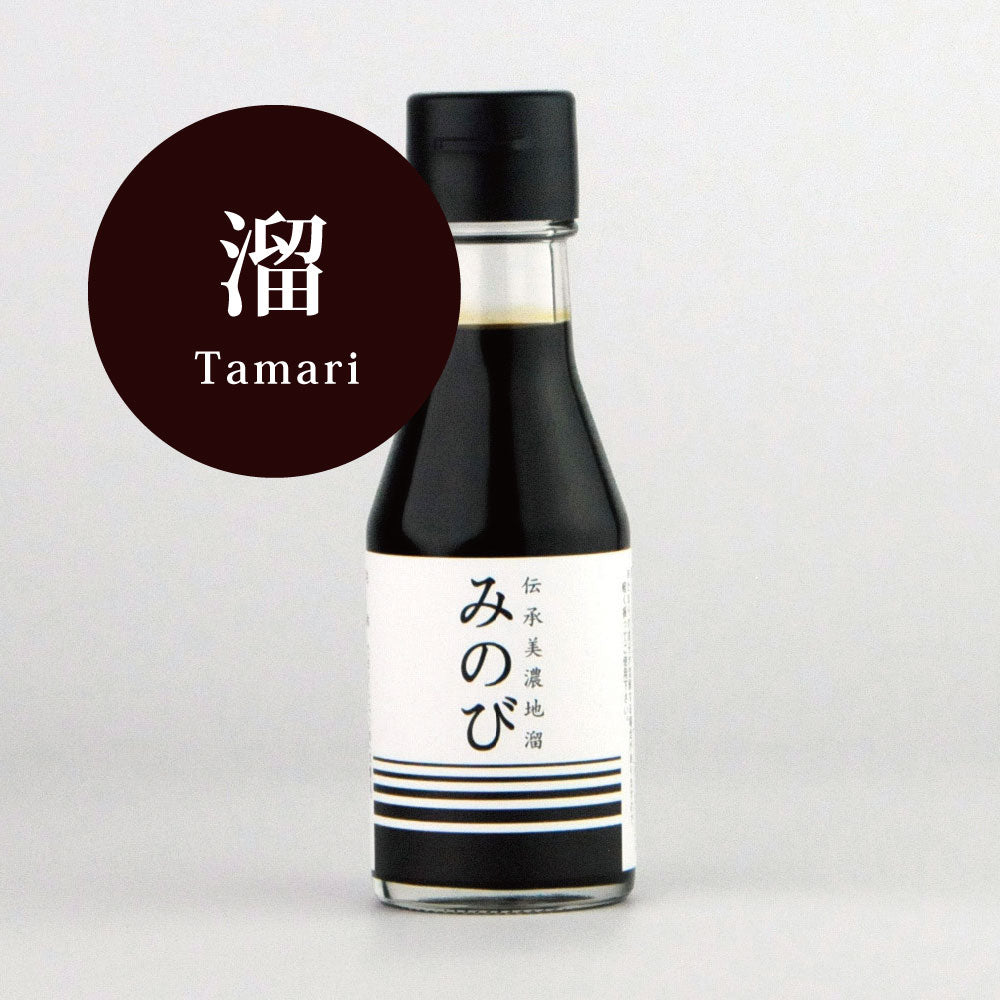
Minobi/Yamakawa Brewery (Gifu Prefecture)
The second bottle is a tamari soy sauce like the "Tsuresoi" mentioned above, but it's a completely different type. Its name is "Minobi." Of all the tamari soy sauces sold at Shokunin Shoyu, this one has the thickest texture and a remarkably strong aroma. It's gluten-free, made with only whole soybeans from Gifu Prefecture, salt, and underground water from the Nagara River, and aged carefully in cedar barrels for over two years. Its defining feature is undoubtedly the aroma unique to the brewery. The soybean smell, in a good way, is addictive. Once you try it, you won't be able to put it down... it's a bottle with that kind of impact. The strength of this aroma is actually quite reliable.
For example, try some lean sashimi that's been discounted at the supermarket just before closing time. Even if you think it might be a little watery, the aroma of "minobi" effectively masks it, making it delicious. Another recommendation is to make a marinade rice bowl with it by combining it with sake and mirin. The rich, thick umami flavor makes the color quite dark, but the saltiness is mellow, and it blends beautifully with the tuna. The rich aroma and flavor will have you coming back for more rice.
 Three-year aged soy sauce / Morita Soy Sauce (Shimane Prefecture)
The third is "Saishikomi Soy Sauce," which has the same rich flavor as tamari soy sauce but with less salt. While regular koikuchi soy sauce is made by adding salt water to koji, saishikomi soy sauce is made using pre-made koikuchi soy sauce instead of salt water, a two-stage brewing method. In other words, by "brewing soy sauce with soy sauce," the salt content is reduced, but the umami and richness are greatly deepened. While tamari soy sauce is appealing for its straightforward richness, focusing on the umami flavor of soybeans, saishikomi soy sauce uses equal amounts of soybeans and wheat. It features a well-balanced richness and moderate salt content, with the aroma and sweetness of koikuchi soy sauce.
Morita Soy Sauce in Shimane Prefecture produces this "Three-Year Aged Soy Sauce," a favorite choice among both repeat and new customers. Customers often tell us, "Once I tried this soy sauce, I couldn't use any other" or "I can trust their soy sauce." Once you've tried it, you won't be tempted to go with anything else. The amount of brine (drawn water) used in the brewing process is also key. While regular dark soy sauce typically uses 11-13 times the amount of water (1.1-1.3 times the amount of brine compared to the ingredients), Morita Soy Sauce deliberately limits the amount to 10. By reducing the amount of drawn water, the umami flavor is concentrated, resulting in a flavor that prioritizes quality over quantity. I'm a big fan of this soy sauce. It boasts the rich umami and deep body of a second-brewed soy sauce, as well as a refreshing, not-too-strong taste and a mellow, lingering finish.
The recommended way to use it is with medium or fatty tuna sashimi. The umami of the soy sauce is not too strong, so it really brings out the sweetness of the tuna's fat. The aroma is also refined, so even when paired with high-quality tuna from a particular region, it doesn't overpower the fish's aroma. It's subtle, yet incredibly delicious. Be sure to try the charm of this re-brewed soy sauce.

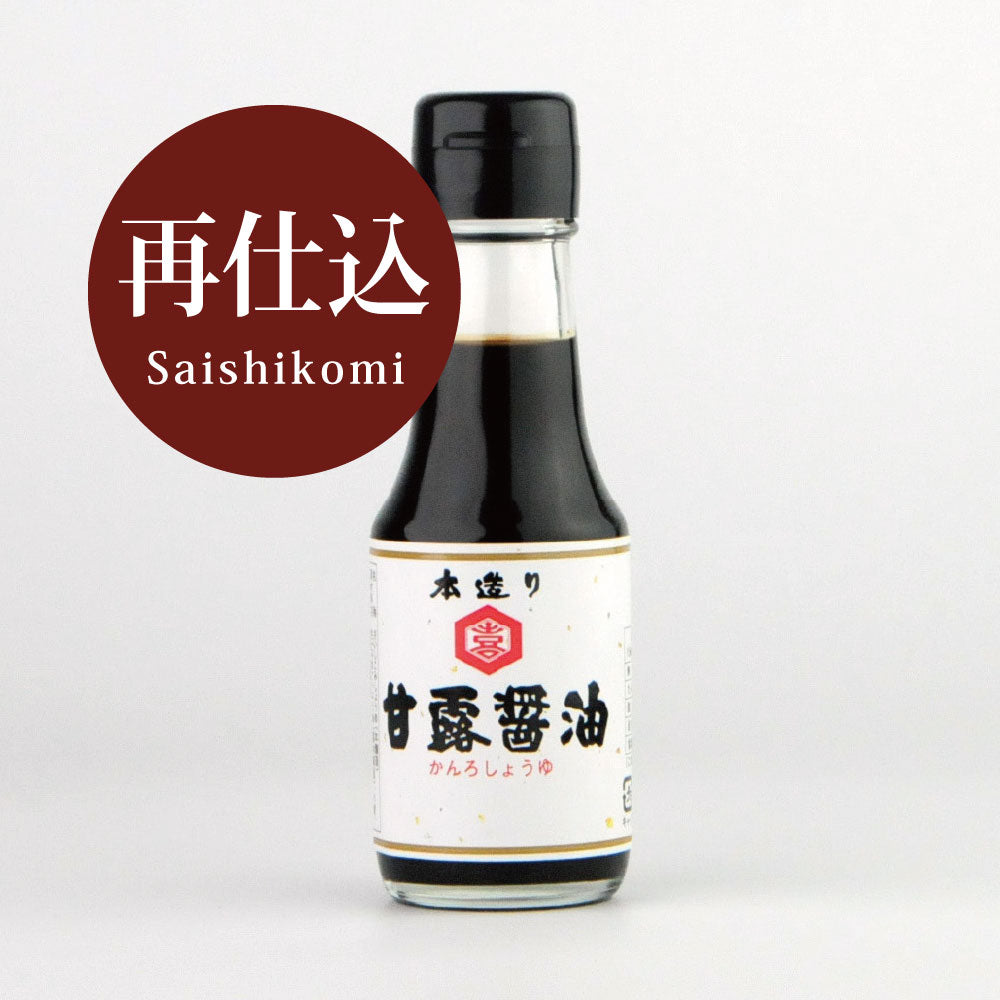
Kanro Soy Sauce / Okubo Brewery (Nagano Prefecture)
The fourth bottle, like the "Three-Year Aged Soy Sauce," is a re-brewed soy sauce, but it's a completely different type. It's called "Kanro Soy Sauce." This soy sauce is made by Okubo Brewery in Nagano Prefecture. The brewery's raw materials storage area is lined with rows of soybeans, wheat, salt, and rice, each carefully selected with their region of origin and grade clearly labeled. The soybeans are packed with carefully selected varieties from various regions, including Gifu, Ishikawa, and Yamagata, including "Tsubuhomare," "Ginrei," and "Tachinagaha" from Nagano, "Okushirome" and "Ryuho" from Aomori, and "Enrei" from Niigata. The salt used is "Shimamars" from Okinawa. This three-year-aged re-brewed soy sauce is matured with the addition of soy sauce koji to the moromi mash brewed for one year, resulting in a rich, fragrant soy sauce with a profound fermentation experience. Another unique feature is the addition of amazake (sweet rice drink). This creates a unique flavor that is unlike any other, with a gentle sweetness derived from rice, the richness and thick body of re-brewed soy sauce in perfect harmony. Its impression is that it is "more than re-brewed soy sauce, but less than tamari soy sauce." It is a type of re-brewed soy sauce that has quite a strong impact, and is perfect for those who want to enjoy the full flavor of soy sauce.
It has a strong soy sauce flavor and is recommended for those who want to eat all parts of the fish, including medium fatty tuna, lean meat, and fatty tuna. It completely eliminates the fishy smell of the fish while allowing the richness of the soy sauce to spread. It brings out the umami of the tuna while still allowing you to feel the presence of the soy sauce. It has an exquisite balance. Once you get hooked on this rich flavor, you may never be able to eat tuna with any other soy sauce.

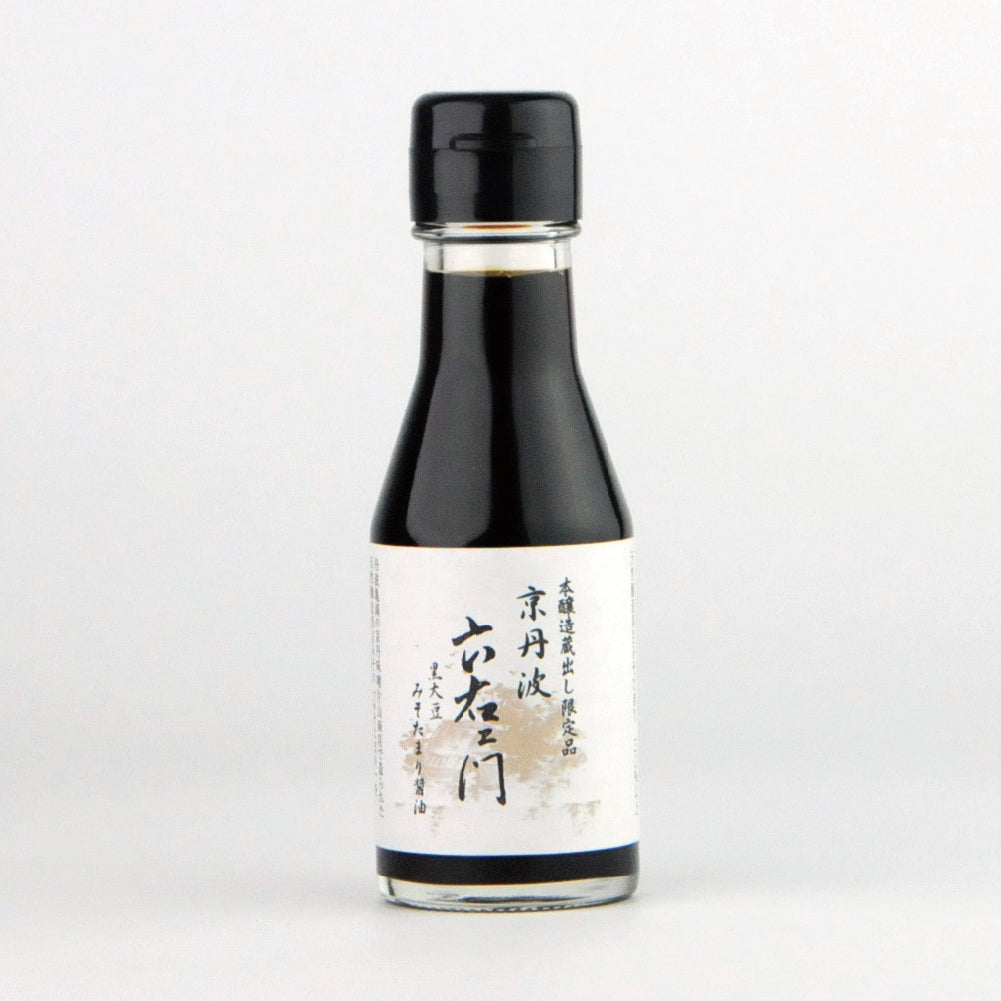
Kyotanba Rokuemon Black Soybean Miso Tamari / Suehiro Soy Sauce (Hyogo Prefecture)
Our fifth bottle is a bit of an oddity. It's a blend of dark soy sauce and miso tamari, extracted from Tamba black soybean miso. It's called "Kyotanba Rokuemon Black Soybean Miso Tamari." Miso tamari is a luscious, umami-like liquid that seeps out onto the surface of miso as it ages. This soy sauce is made with naturally brewed black soybean miso tamari by Katayama Shoten in Kameoka, Kyoto. The black beans used are Tamba black beans, considered the highest quality, lavishly added with the finest rice koji, and aged for over a year. This miso tamari is then blended with naturally brewed soy sauce made from over 30% domestic whole soybeans and wheat. The result is a soy sauce with a mellow, salty taste and an exquisite balance of sweetness and aroma.
I recommend pairing it with medium or fatty tuna sashimi. It's especially recommended when you've managed to get hold of some fresh tuna, or when you've splurged on some tuna from the department store basement. The soy sauce itself is refreshing and not overpowering. However, it blends gently with the fat of the fish, bringing out its sweetness and richness. It's not overbearing, yet incredibly delicious. It's truly the kind of soy sauce that complements it perfectly. It pairs well with fatty fish, so it's also recommended with sashimi of blue fish like horse mackerel, mackerel, and yellowtail, in addition to tuna. This is a bottle that will make your everyday sashimi feel a little more special.
Text: Mori (Shokunin Soy Sauce)
Choose options

目的別・人気セット


NEWSLETTER│職人醤油通信
醤油の世界を、もっと深く。
蔵元訪問レポート・季節の使い方・新商品情報など、職人醤油 代表の高橋万太郎がお届けします。
- 蔵元訪問レポート・産地の話
- 季節の料理と醤油の使い分け
- 新着商品・限定セットのご案内
- 読者限定の先行情報
スパムメールは送りません。登録解除はいつでも可能です。