
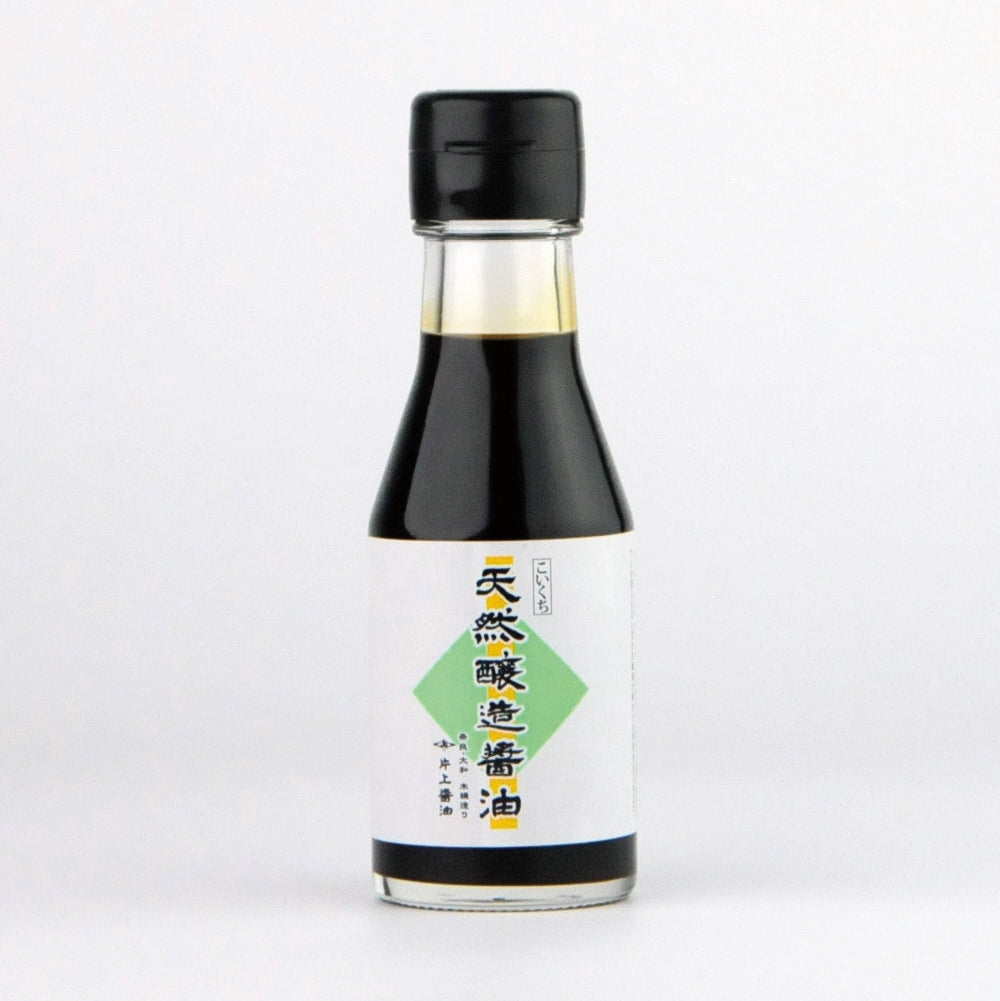
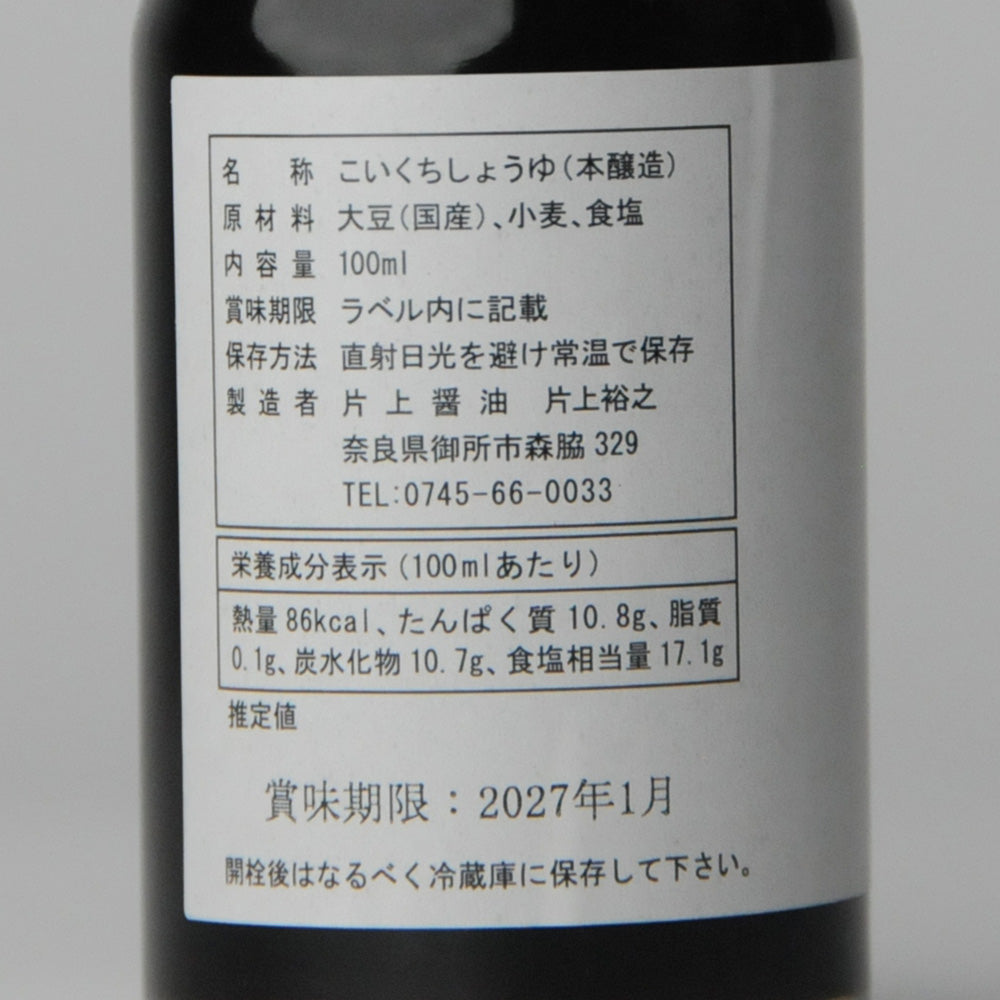
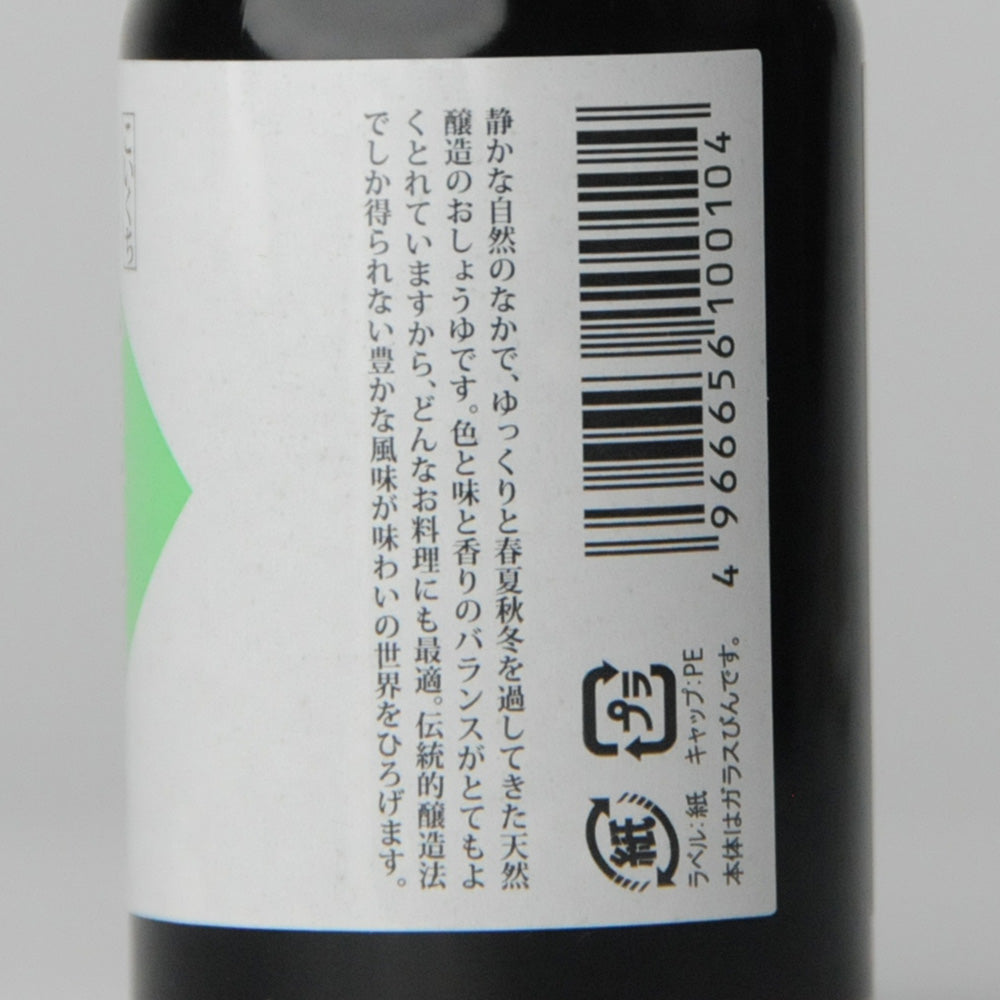

31. Naturally brewed soy sauce 100ml
Created by Katagami, a self-described foodie
Shokunin Shoyu No. 31

The four unique soy sauces pursued by the food-loving Katagami
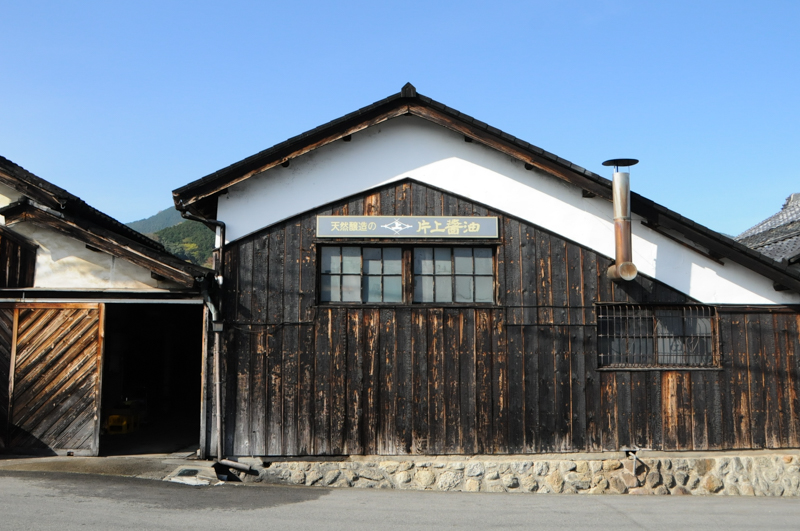
"I'm a foodie," says Katagami, who strives to make soy sauce that he himself is satisfied with. He produces Koikuchi, Usukuchi, Saishikomi, and Tamari, and it is rare for a brewery to brew all four types in-house. Each type requires different preparation and management methods, so producing them simultaneously requires knowledge, patience, and curiosity... in short, it is very difficult and tedious.
And rather than simply expanding their lineup, it feels like each soy sauce is unique compared to other breweries.

Koji making is the most delicate process
In 2018, a new koji room was installed, which is much smaller than the previous koji room. Apparently, they had found one that the brewery was using, and there were three identical ones installed. When I asked why there were three, they replied, "We wanted to be able to touch all of them."
"When you make a large room, you can't reach the center even if you stretch your hand out. If it's big and thick, the temperature control becomes uneven, making it difficult to grow uniform koji." Because it's small, you can walk around it and touch all the koji directly with just a quick reach.
"Making koji is the most nerve-wracking part. The process is different every time depending on the temperature, humidity, and beans, so it's a relief when the koji turns out well. I always put in the effort to bring out the best in the ingredients."

Entrusted to the microorganisms that inhabit the brewery
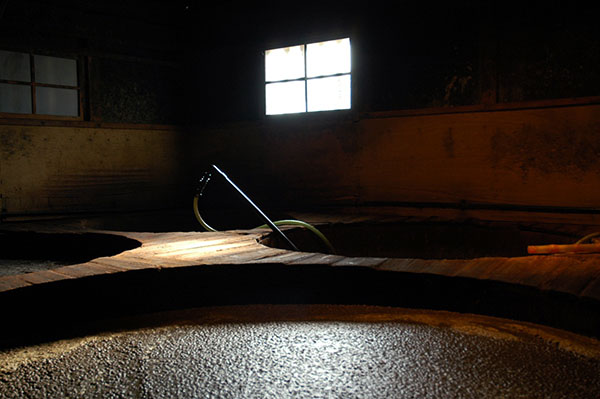
Katagami says, "Kioke are treasures." He says that 70% of soy sauce production depends on the quality of the koji, but the remaining 30% is the taste of the kioke.
"The brewing process takes place from January to May, and fermentation begins in June or July. In other words, something brewed in January has six months to ferment, while something brewed in May only has one month to ferment."
Therefore, there is a roadmap for which type of soy sauce should be prepared and when, and the contents are based on Katagami theory.
Katagami-san is familiar with the characteristics of each wooden barrel and knows what kind of flavor each one produces. Although he cannot control the bacteria that live in the barrels, his many years of experience have enabled him to make soy sauce that takes advantage of the characteristics of each barrel, resulting in the unique flavor of Katagami Soy Sauce.

Delicious because it's a classic dish
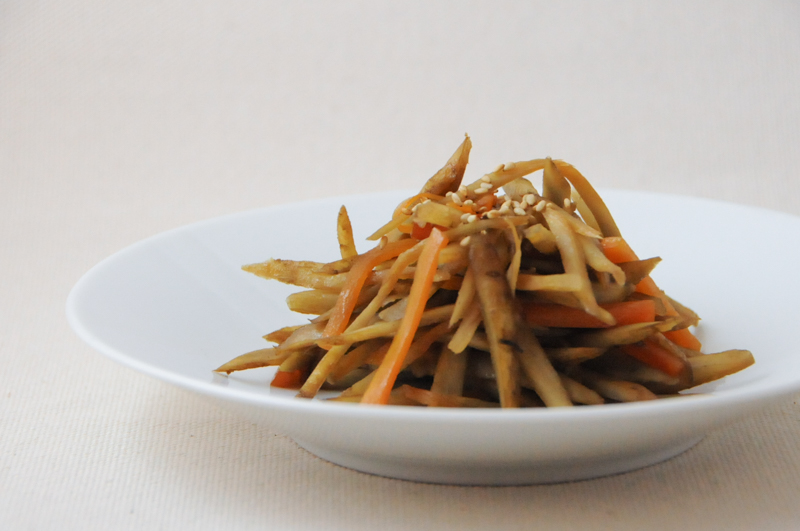
Naturally brewed soy sauce is a soy sauce that truly embodies the basics of Katagami soy sauce. Kinpira gobo is a representative example of home-cooked cooking. I think it's a dish where the difference in soy sauce has a big impact on the taste. Because it's a classic dish, it's something you want to make with carefully selected seasonings. You can feel the weight of the soy sauce in a good way, giving it a crisp, firm flavor. In addition to kinpira gobo, it's also recommended for root vegetable dishes.

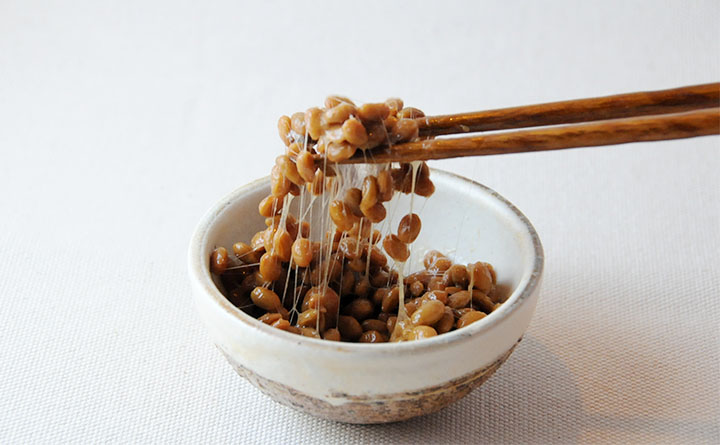
Sprinkle on natto or gyoza
If you don't like the sauce that comes with natto, you should definitely try this. The soy sauce aroma is strong, and you can feel the soy flavor more strongly than the sauce. Especially with large natto! Natto lovers will love it.
This is also recommended when you want to eat gyoza simply with soy sauce. It also helps to reduce the oiliness.
Choose options
目的別・人気セット


NEWSLETTER│職人醤油通信
醤油の世界を、もっと深く。
蔵元訪問レポート・季節の使い方・新商品情報など、職人醤油 代表の高橋万太郎がお届けします。
- 蔵元訪問レポート・産地の話
- 季節の料理と醤油の使い分け
- 新着商品・限定セットのご案内
- 読者限定の先行情報
スパムメールは送りません。登録解除はいつでも可能です。