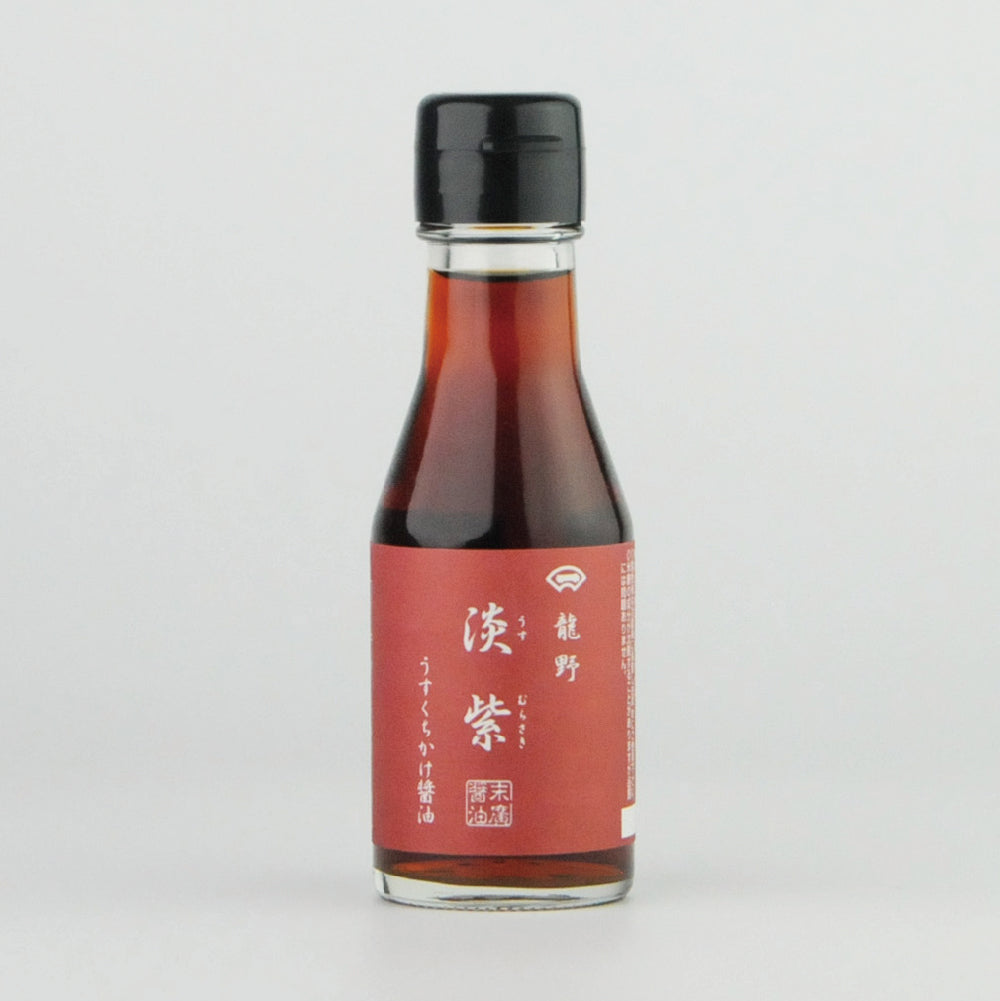

16. Pale purple 100ml
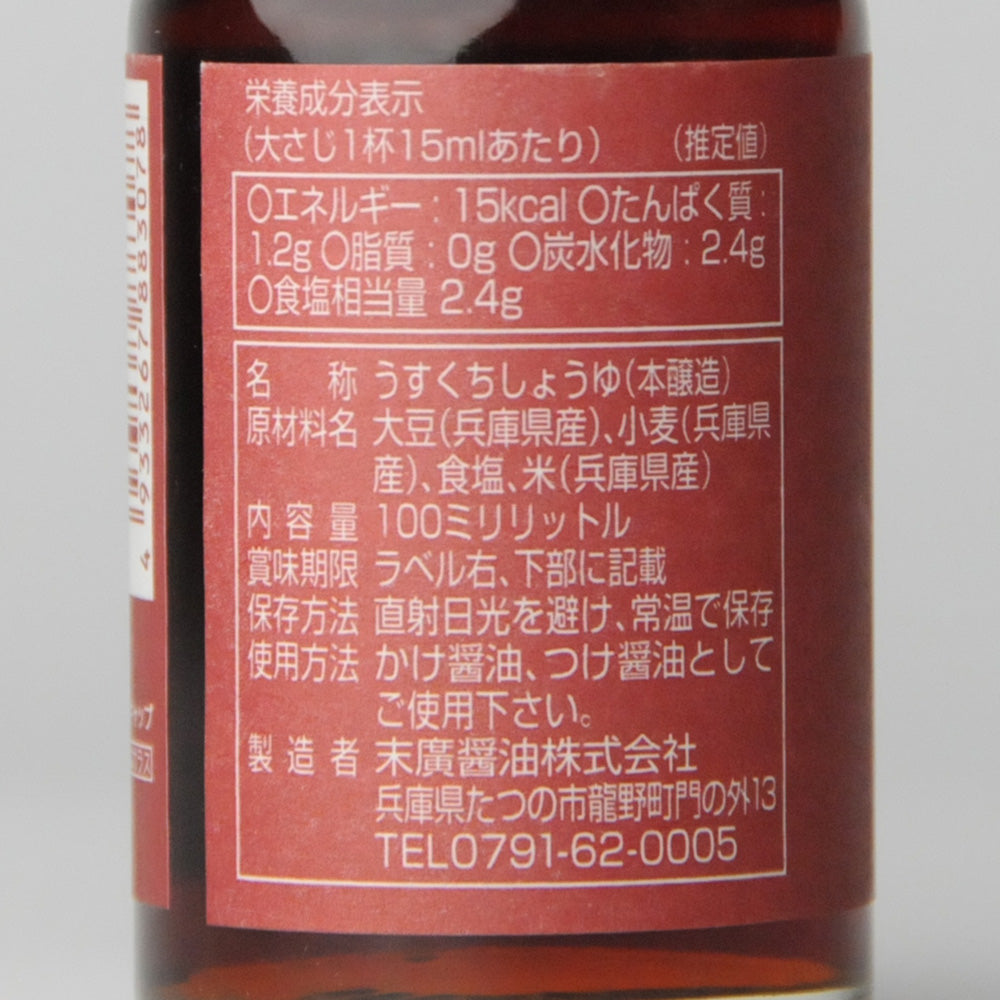
Special light soy sauce with low salt content
職人醤油 No.16

A new relationship with soy sauce given to me by Pale Purple
My name is Mouri and I used to work at Matsuya Ginza store.
The one that made me fall in love with soy sauce was "Awamurasaki."
I was born and raised in Tokyo, and I've never liked soy sauce since I was a child. The reason is simple: I thought it was spicy and had a strong flavor. At the time, I only knew so-called national brand soy sauce, and thought that was all there was to soy sauce.
Then, about 10 years ago, I came across Shokunin Shoyu and realized for the first time that soy sauce isn't spicy and can have a mild flavor!
It was "Awamurasaki" that gave me this feeling. This encounter completely changed the way I think about soy sauce.

A new light soy sauce born from tradition
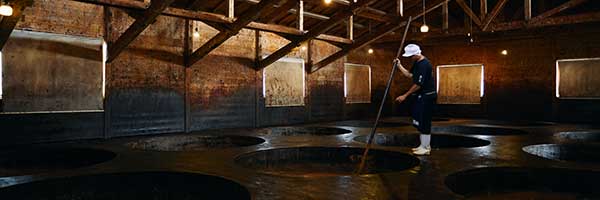
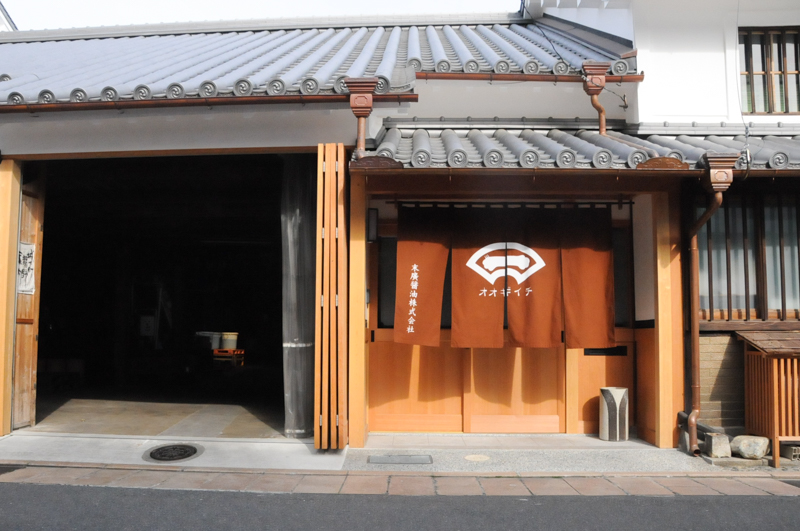
The manufacturer, Suehiro Soy Sauce, was founded in 1879. The building, constructed during the Taisho period, blends beautifully into the old townscape of Tatsuno City, Hyogo Prefecture.
In fact, the origin of this "Pale Purple" was a request that was brought to us around 1965.
"I want you to make soy sauce without additives," said the client who visited us, bringing with him domestically produced soybeans and wheat. Although we were able to secure the ingredients, the mainstream method of soy sauce production at the time was to use defatted soybeans and add additives. A request for "additive-free soy sauce using domestic ingredients" was not easily accepted.
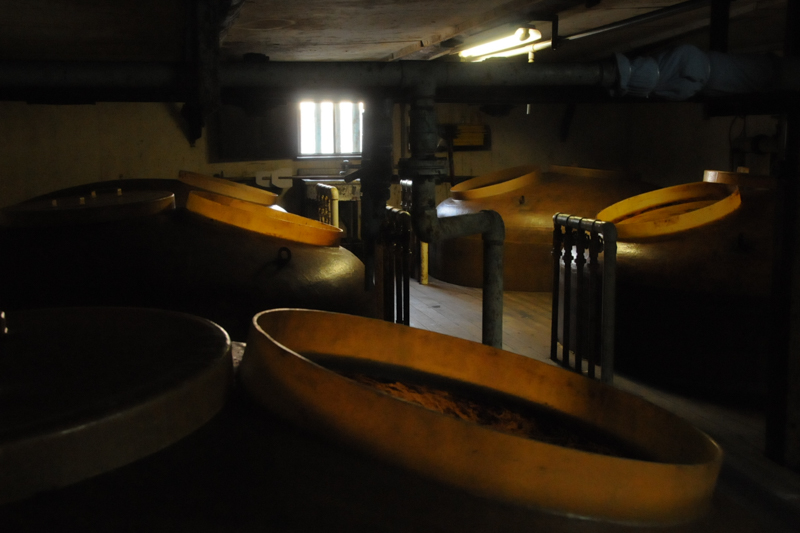
However, Suehiro Soy Sauce faced this difficult problem head-on. They reviewed their production methods from scratch and went through repeated trial and error over and over again. These efforts have paid off, and now Suehiro Soy Sauce is one of the few breweries in the country that produces "naturally brewed light-colored, light-tasting light soy sauce," earning it a deep trust.
Furthermore, a major turning point came for the soy sauce industry.
"There was a time when we considered streamlining, but there was no way we could become a miniature version of the major companies. No, instead, we wanted to put more effort into making delicious food," said President Takuya Suehiro.
So, what will we create?
At the time, consumption of light soy sauce was on the decline, and in some areas, many people were unfamiliar with it.
I spent every day thinking, "What can we do to get more people to pick up light soy sauce?"
One day, the president happened to see a customer at a restaurant sprinkling salt on his food.It was a casual scene, but it held a clue.
"I saw someone at a restaurant sprinkling salt on their food before serving it. It's a simple sight, isn't it? But eating it with salt really brings out the flavor of the ingredients. Ah, that's right. Light soy sauce has a strong salty taste and little umami. Could this be the soy sauce that best allows you to taste the flavor of the ingredients?!"
This is how "Awanmurasaki" was born. A new type of light soy sauce that is delicious when poured over the sauce. Born from a combination of tradition and challenge, this bottle is truly a new proposal for the next light soy sauce.

The mellowness created by rice koji
First, let's talk about light soy sauce.
As the name suggests, it is characterized by its light color, but in fact it is slightly saltier than koikuchi, which is why the word "light" is not used.
The ingredients are the same as dark soy sauce, with soybeans and wheat in a 1:1 ratio. It has a well-balanced soy sauce flavor, but because it is aged for a short period of time, it has a light color and taste.
It's perfect for dishes where you want to show off the color of the ingredients or add a touch of saltiness. For example, it's recommended for dishes where you want to bring out the flavor of the ingredients and the umami of the dashi stock, such as simmered dishes and udon soup.
Among these light soy sauces, "Awanemurasaki" is a bit special.
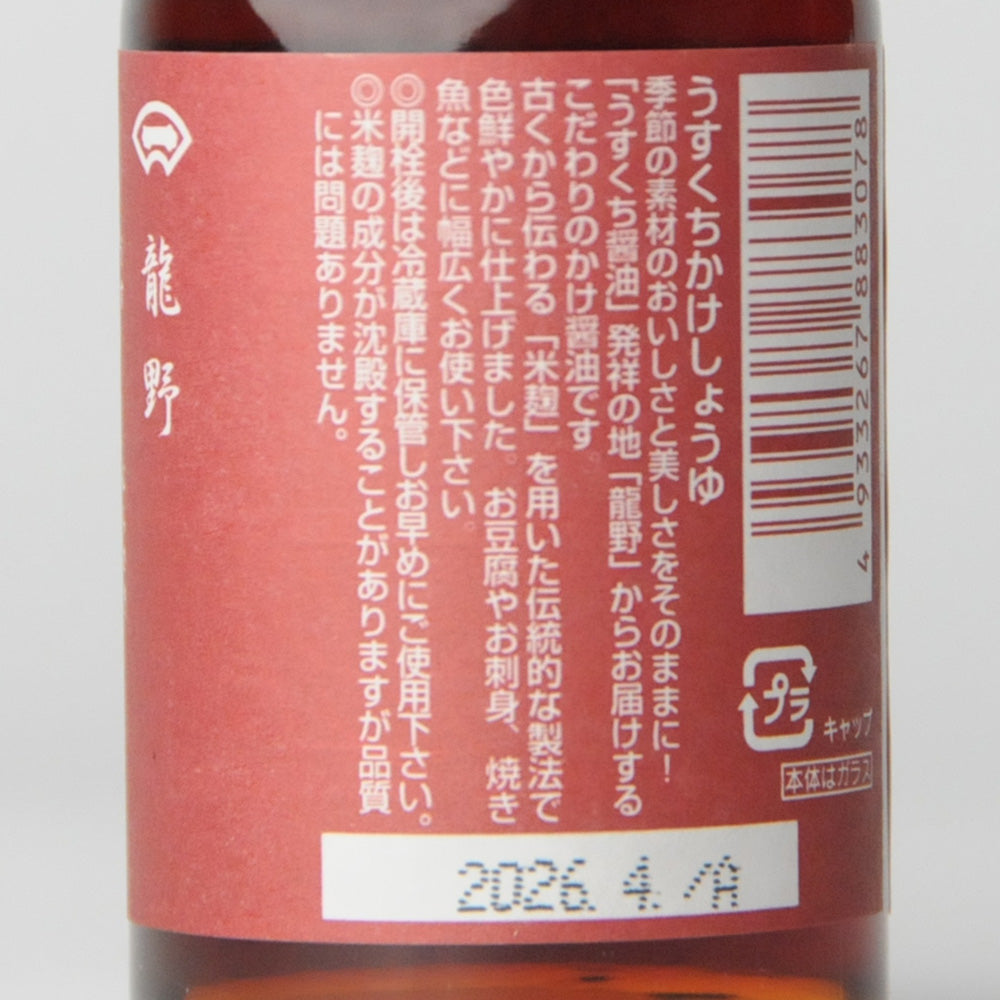
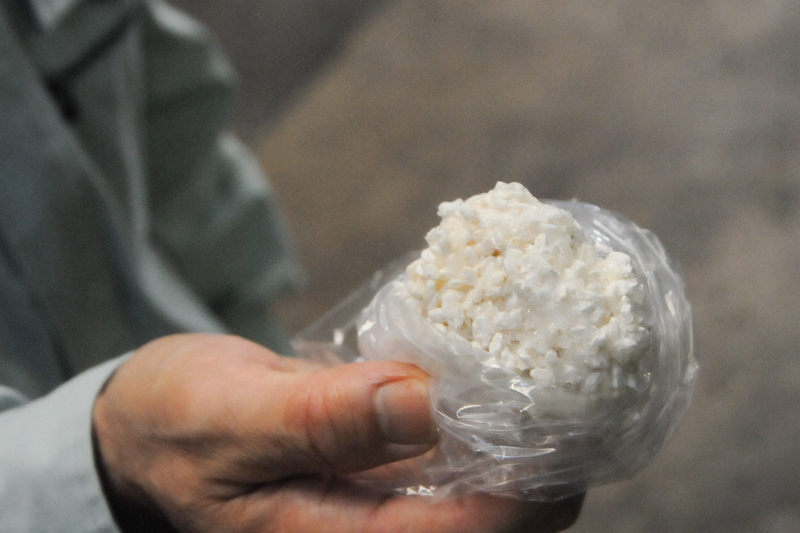
The rice koji is added directly to naturally brewed light soy sauce. The gentle sweetness of the rice koji makes the saltiness less than regular dark soy sauce, resulting in a very mellow flavor.
Furthermore, the aroma is very mild, a characteristic of Suehiro Soy Sauce, the brewery behind "Awamurasaki." It has a gentle fragrance that doesn't overpower the soy sauce flavor, and gently brings out the flavor of the ingredients.

Recommended uses for pale purple
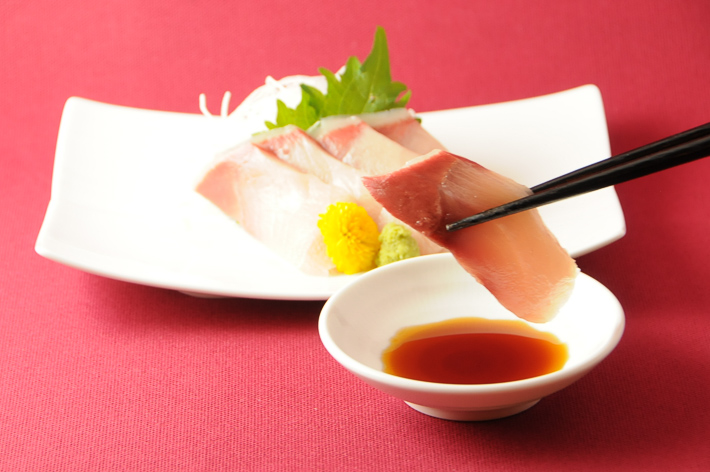
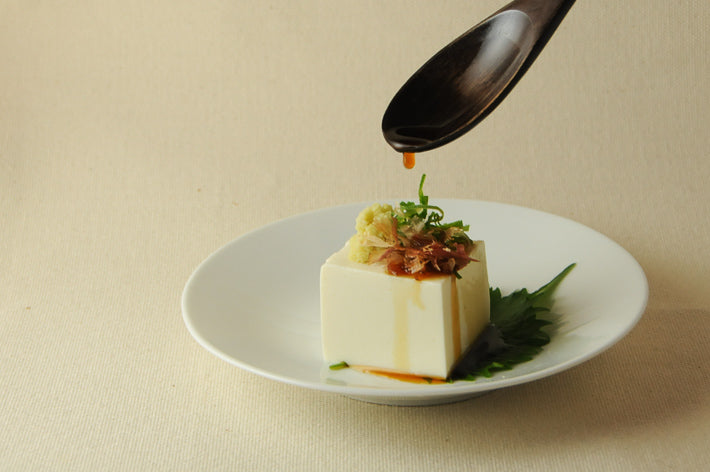
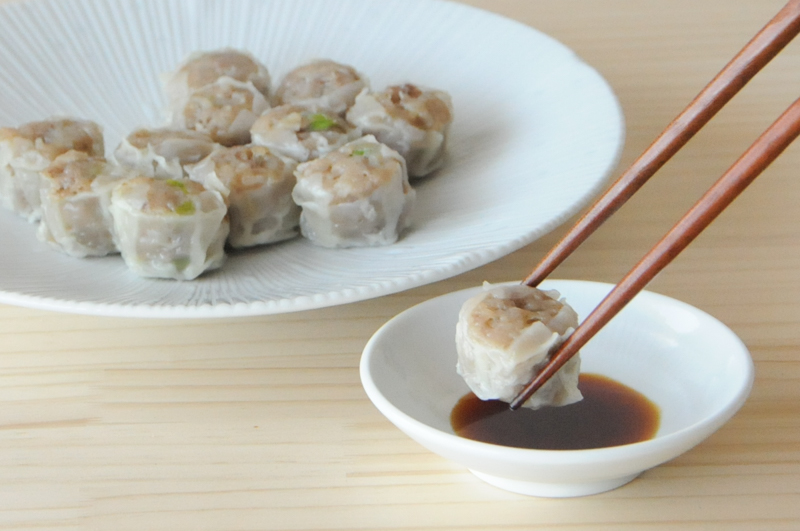
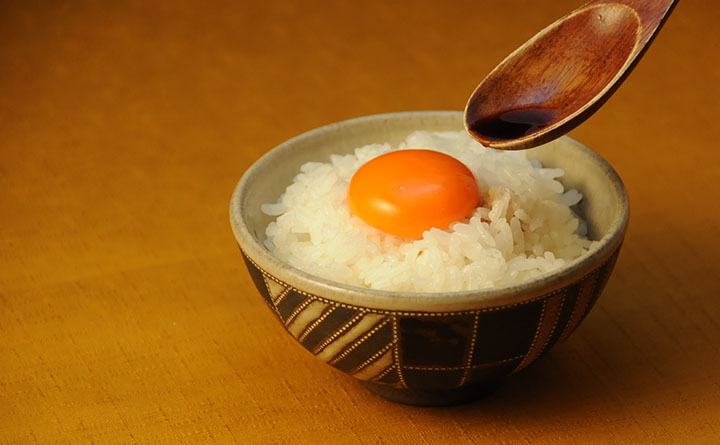
My recommendations are to use it on white fish sashimi, cold silken tofu, shumai, and eggs or rice when you have a strong umami egg. Of course, it's OK to use it in cooking, but because the salt concentration is slightly different from regular light soy sauce, the amount listed in the recipe may not be right for you. In that case, try adjusting the amount with a little salt.

Brings out the sweetness and umami of the white meat
The most frequently asked question in store is, "Which soy sauce do you recommend for sashimi?"
Of course, our dark soy sauce is well-balanced, so it goes perfectly with sashimi. However, if you've come all the way to Shokunin Shoyu, we want you to enjoy the deliciousness of your sashimi even more.
So what I would like to recommend is to use different types of soy sauce.
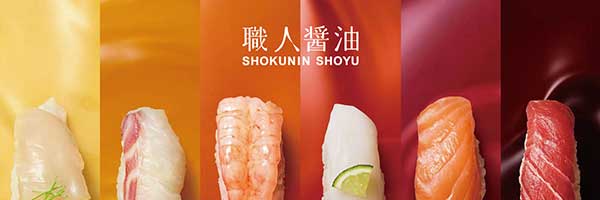
Light soy sauce is perfect for white fish sashimi. Try pairing "Asanagi" with delicately flavored seafood such as sea bream, flounder, sweet shrimp, and scallops.
With dark soy sauce, the soy sauce flavor tends to be too strong, but "Awamurasaki" has a gentle aroma and mellow taste that subtly brings out the sweetness and umami of the ingredients.
I was particularly shocked by the sweet shrimp. "Sweet shrimp are really sweet...!" I don't think I'd ever be able to eat white meat sashimi again if it weren't for "Awamurasaki."
By the way, for red meat sashimi, we recommend using rich re-brewed soy sauce or tamari soy sauce.

Regular silken tofu or delicious silken tofu
Silken tofu is smooth and melts in your mouth the moment you put it in your mouth. The softness of silken tofu is brought out by the softness of "Pale Purple."
It is also recommended to use different soy sauces for hiyayakko. Just like you use different soy sauces for white and red sashimi, using different soy sauces for silken and firm hiyayakko will make it even more delicious.
"Awamurasaki" does not have an overpowering soy sauce flavor, allowing you to fully enjoy the natural sweetness of silken tofu. Another key point is that it pairs well with both regular silken tofu and delicious silken tofu.
In fact, there's an interesting way to use it that a customer told us about. One customer said, "I want to drink soy milk, but I don't like the unique smell and taste," and when they tried adding a little bit of "Awamurasaki," it became much easier to drink.
I love soy milk on its own, but when I add "Awamurasaki" to it, it has a gentle flavor that's almost like "drinkable tofu." The gentle aroma of "Awamurasaki" gently envelops the soy milk.
This is an arrangement that even those who don't like soy milk should definitely try.

The new relationship between shumai and soy sauce
Shumai is one of my top five favorite foods.
My favorite is the large shumai stuffed with pork that I can find in the chilled section of the supermarket. I don't like spicy food, so my standard way to eat it is simply with soy sauce.
You've probably noticed by now, right? Yes, this is where pale purple comes in!
The shumai is not overpowered by the soy sauce flavor, and the mild saltiness brings out the sweetness of the pork. With one bite, the meat juice oozes out, and the sweetness and umami fill your mouth. It doesn't feel salty at all.
I eat shumai quite often, so I've tried other light soy sauces. Of course, they're all delicious, but I can confidently say that the one that best brings out the flavor of the shumai itself is "Awamurasaki."

The best of both worlds! Raw egg on rice
When you have a delicious egg on hand, you can have raw egg on rice. On such a special morning, be sure to try using "Awamurasaki."
There's a reason why I wrote "when you can get hold of eggs with a strong umami flavor" instead of "egg on rice." Many people usually enjoy egg on rice with regular eggs, but if you come across a special egg that makes you think, "This is it...!", then it's time for "Pale Purple."
Eggs have a strong umami flavor, so rather than adding soy sauce, eating them with a mild saltiness really brings out the sweetness of the eggs themselves. It's similar to how salting watermelon brings out the sweetness.
You might think, "Well, salt would be fine too," but Usanagi has a gentle soy sauce aroma that salt doesn't have. The gentle umami of soy sauce, its mellow saltiness, and the soft, spreading aroma really bring out the flavor of the eggs.
Because the flavor isn't too strong, you can fully enjoy both the taste of the egg and the "Awa-Murasaki" flavor. This exquisite balance is the secret to this delicious egg rice dish!
So, what would happen if you used pale purple eggs when making regular eggs on rice?
Of course, it's not that it doesn't go well with the soy sauce, but your first impression might be that it's a little lacking. "Awamurasaki" is not a very assertive soy sauce, so if the umami of the egg isn't strong enough, it can come across as too mild.
Therefore, I think that pairing regular eggs with dark soy sauce, which has a strong umami flavor, or dashi soy sauce, which has dashi and sweetness, will make them taste more balanced and delicious.
That's why I recommend "Awamurasaki" for "rice with raw egg on top" when you have eggs with a strong umami flavor.
And, as someone who has eaten countless Pale Purple eggs on rice, I would like to recommend an alternative: Egg on rice with cream cheese!!
The key is to mix the cream cheese, torn into bite-sized pieces, with the warm rice first, then let it melt a little before topping with the egg and finishing with a drizzle of "Awamurasaki." The richness and tartness of the slightly melted cream cheese, the mellowness of the egg, and the gentle aroma and umami of "Awamurasaki" combine to create a rich, creamy texture and a fluffy, mellow flavor. It combines the best of both Japanese and Western styles. The aroma of "Awamurasaki" is important, so add it little by little. This creates a slightly luxurious and special egg-on-rice dish.
Choose options
| 地域 | 都道府県 | 送料 |
|---|---|---|
| 北海道 | 北海道 | 1,200円 |
| 東北 | 青森・岩手・秋田・宮城・山形・福島 | 900円 |
| 関東・中部 | 茨城・栃木・群馬・埼玉・千葉・東京・神奈川・新潟・富山・石川・福井・山梨・長野・岐阜・静岡・愛知・三重 | 800円 |
| 近畿・中国 | 滋賀・京都・大阪・兵庫・奈良・和歌山・鳥取・島根・岡山・広島・山口 | 900円 |
| 四国・九州 | 徳島・香川・愛媛・高知・福岡・佐賀・長崎・熊本・大分・宮崎・鹿児島 | 1,100円 |
| 沖縄 | 沖縄県 | 1,500円 ※6,000円以上で500円 |
ご注文を受けてから3営業日以内の発送を原則としています。海外への発送も承っています。
この100mlの醤油は、専用のギフトボックスに入れてお届けできます。箱は1本用から10本用まであり、熨斗は蝶結び・結切り・熨斗なしからお選びいただけます。
ご注文の際は、醤油と一緒にギフトボックスをカートに入れてください。箱の本数と醤油の本数を揃えていただくと、そのまま包んでお届けします。
気軽な贈りものには、キャップを和紙風の色紙で包むビニール仕様や、2本が入る巾着袋もあります。
ギフトの一覧を見る目的別・人気セット


醤油の世界を、もっと深く。
11,000人以上が読んでいます
蔵元訪問レポート、季節の使い分け、醤油をもっと深堀した内容を、代表の高橋万太郎が毎週金曜日にお届けします。
毎週金曜日に配信。いつでも解除できます。