
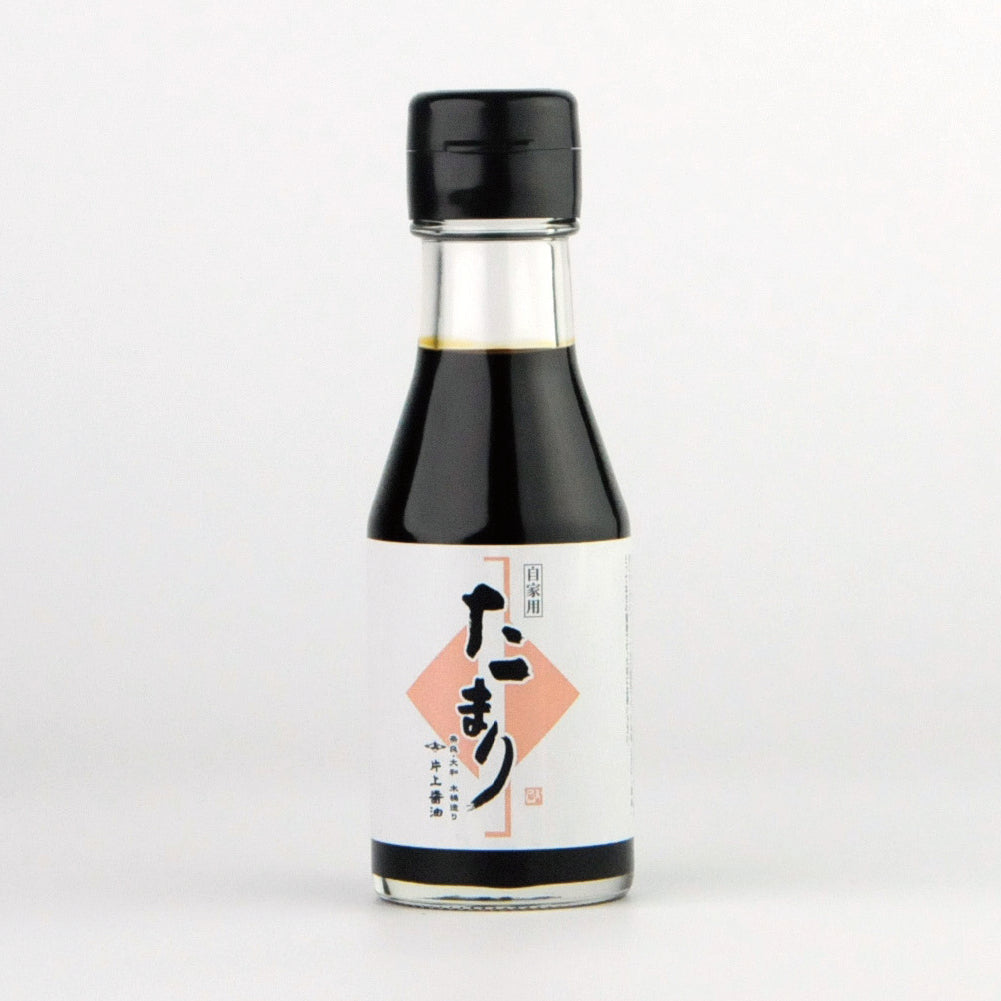
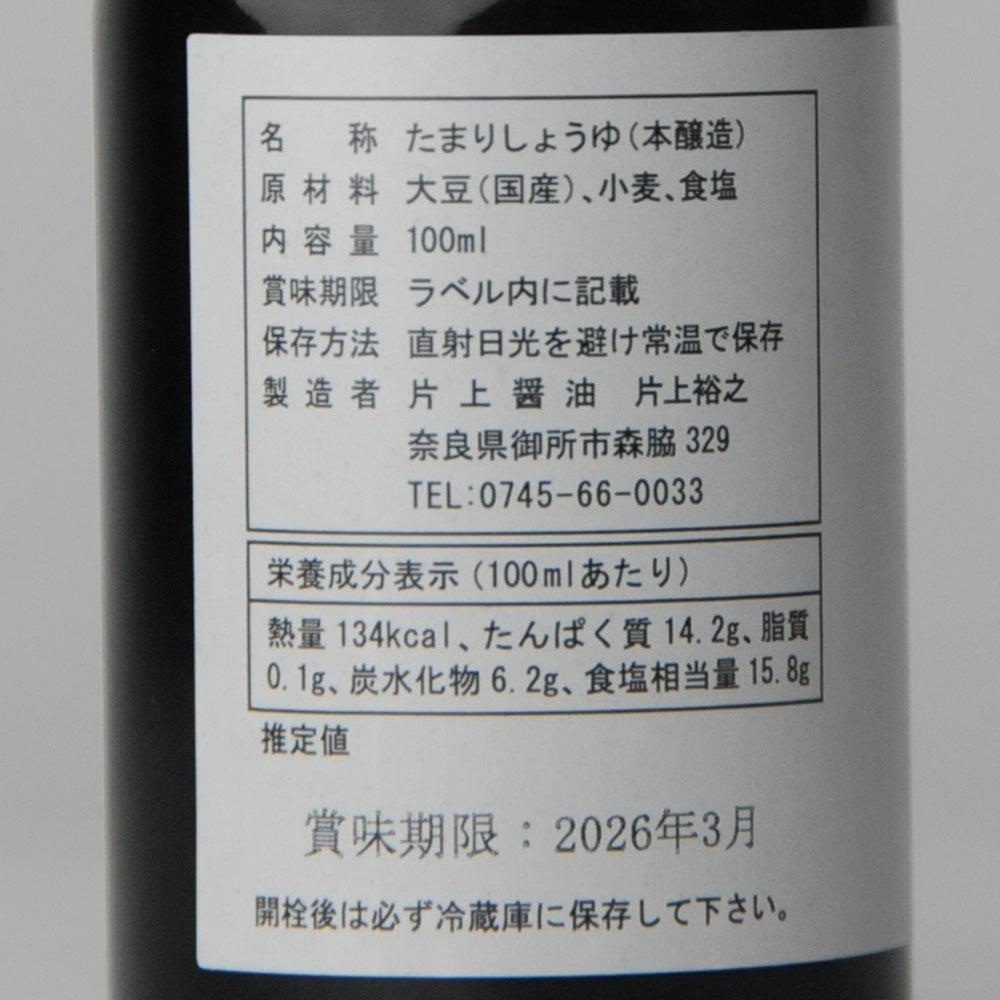
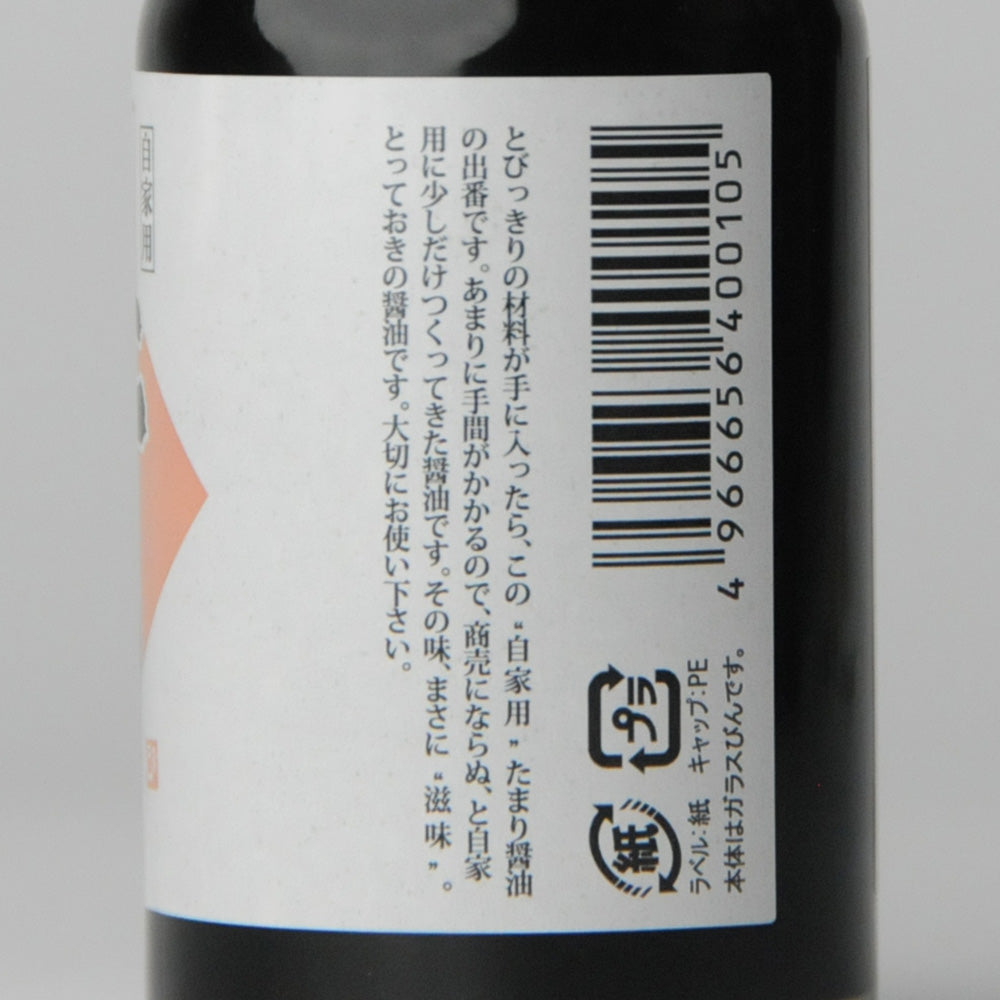
34. Homemade Tamari soy sauce 100ml
Challenging the limits of how much flavor can be mixed
Shokunin Shoyu No. 34

The four unique soy sauces pursued by the food-loving Katagami
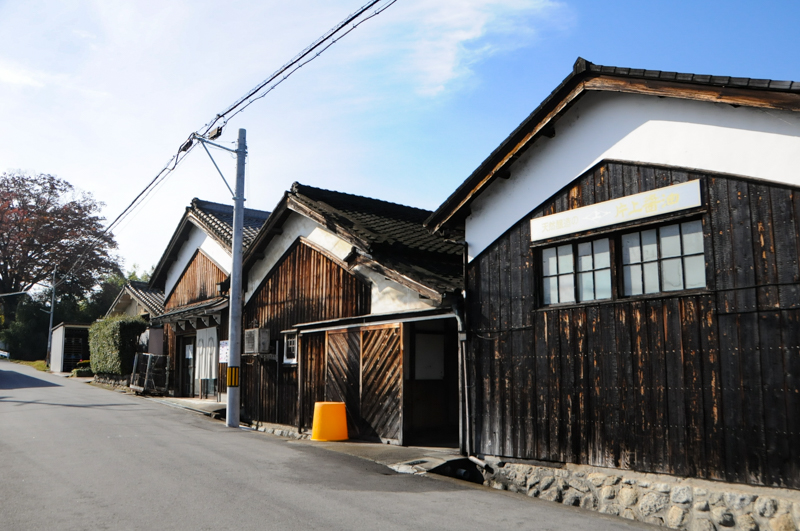
"I'm a foodie," says Katagami, who strives to make soy sauce that he himself is satisfied with. He produces Koikuchi, Usukuchi, Saishikomi, and Tamari, and it is rare for a brewery to brew all four types in-house. Each type requires different preparation and management methods, so producing them simultaneously requires knowledge, patience, and curiosity... in short, it is very difficult and tedious.
And rather than simply expanding their lineup, it feels like each soy sauce is unique compared to other breweries.
 Why Katagami uses whole soybeans
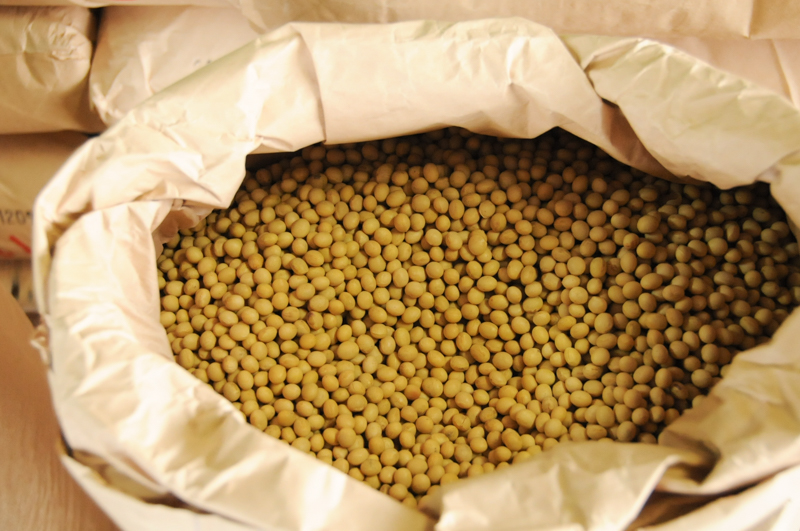
The raw material is "whole soybeans" rather than "defatted soybeans." Eighty percent of the soy sauce distributed nationwide is made from defatted soybeans, making whole soy sauce a rare find. For this reason, some manufacturers criticize defatted soybeans when promoting whole soy sauce, but Katagami says, "There's nothing bad about defatted soybeans!"
"I'm not satisfied with trying to elevate whole soybeans by devaluing defatted soybeans," he says, and goes on to talk at length about the benefits of defatted soybeans. He explains how they are made, the distribution price, and the benefits they offer when brewing soy sauce, and the way he so passionately explains it feels very Katagami-like.
"When domestically grown whole soybeans are steamed, they give off a truly wonderful aroma." And he wants to be able to show his customers that these beans are used to make his products. That's why Katagami uses whole soybeans. He also says that he prefers soybeans grown nearby, so he uses soybeans from Nara Prefecture whenever possible.
The pressure cooker used to steam the soybeans also uses whole soybeans. Mesh-like holes have been drilled into the bottom of the steamer so that the cooking liquid can be discarded. "Domestic soybeans are delicate. The soaking and steaming times vary depending on whether they are freshly harvested or have been around for a while."

A beautiful shine created by adding heat
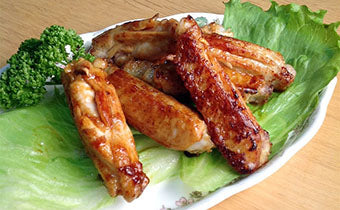
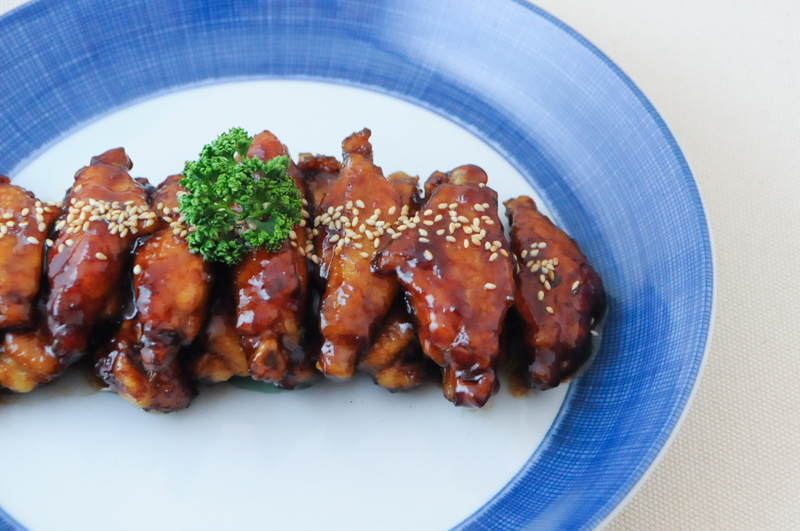
Tamari soy sauce is recommended for teriyaki, as it develops a beautiful sheen when heated. Coating the chicken wings with potato starch allows the flavor to blend well, allowing you to fully enjoy the rich, sweet and spicy flavor. The sheen of this glossy sauce is irresistible. It's perfect as a side dish with rice or as a snack with alcohol!

Eat it as is with grated radish and soy sauce
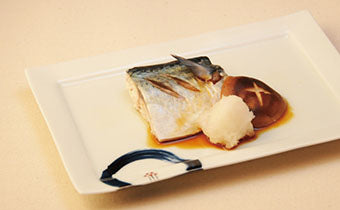
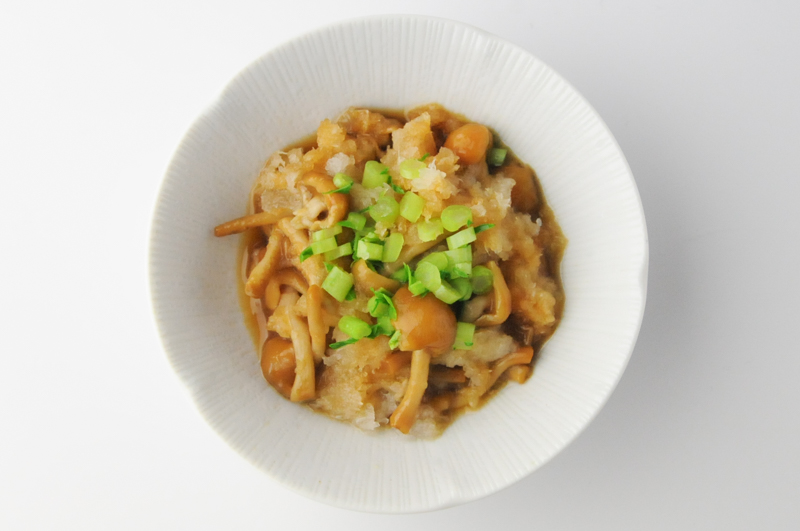
Grated radish soy sauce is a dish familiar to all Japanese people. It's a simple dish that requires only pouring soy sauce over lightly drained grated radish. Using tamari soy sauce brings out the umami of the soy sauce and mellows the spiciness of the grated radish.
Combined with shirasu (whitebait) or nameko mushrooms, it's the perfect side dish for rice or a snack with alcohol. It also goes well with Japanese-style grated hamburger steaks and grilled fish. You can also add mirin, vinegar, sesame oil, and other ingredients to create your own original sauce.
Choose options
目的別・人気セット


NEWSLETTER│職人醤油通信
醤油の世界を、もっと深く。
蔵元訪問レポート・季節の使い方・新商品情報など、職人醤油 代表の高橋万太郎がお届けします。
- 蔵元訪問レポート・産地の話
- 季節の料理と醤油の使い分け
- 新着商品・限定セットのご案内
- 読者限定の先行情報
スパムメールは送りません。登録解除はいつでも可能です。