
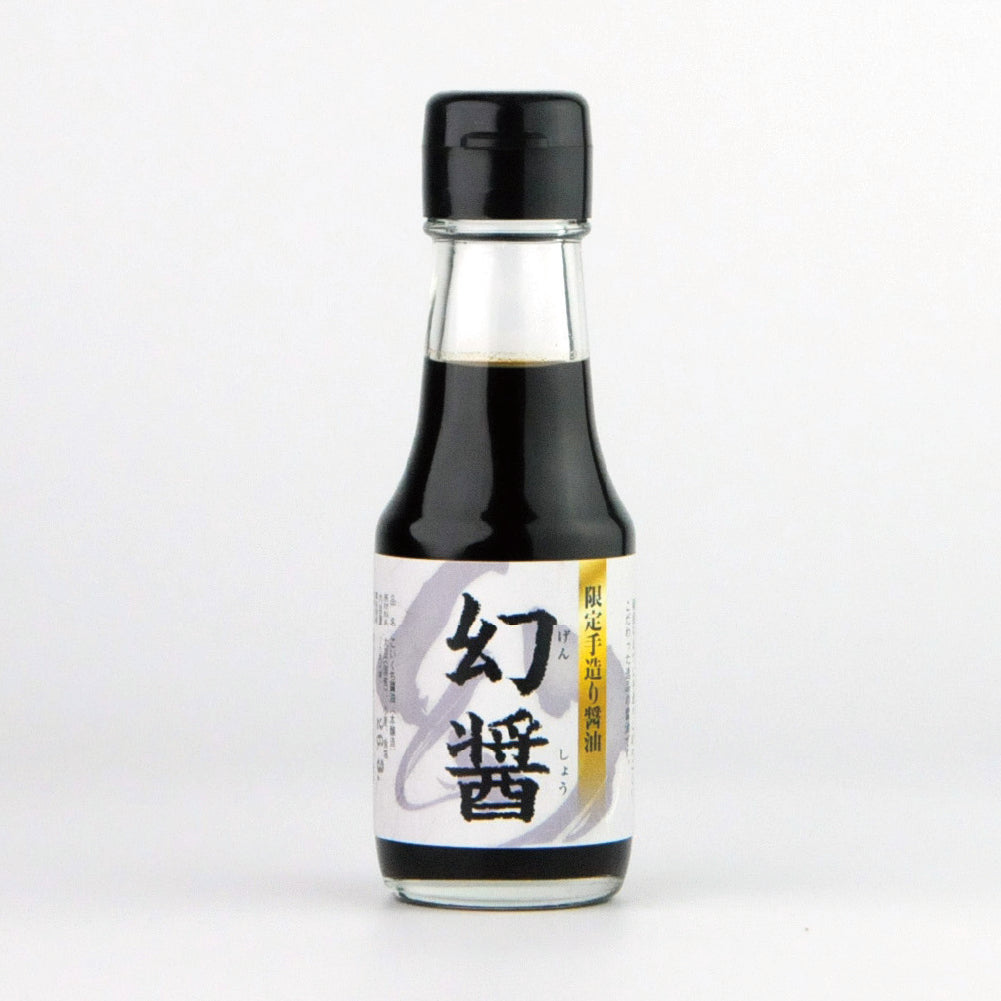

55. Gensho 100ml
A legendary soy sauce made using traditional koji brewing methods
Shokunin Shoyu No. 55

Umami flavor brewed in a brick room
You can't make good soy sauce without good koji...that's why making koji in winter is said to be the most important part of soy sauce production. The farm brewery in Oyabe City, Toyama Prefecture, is located in a heavy snow area where the outside temperature drops below freezing in winter. The brewery uses a brick room built in the early Showa period to cope with the temperature changes of this extremely cold region, and it is one of very few remaining in the country, where the traditional method of using koji lids remains. Because the bricks allow the brewery to breathe, it is said that the impact on the koji is reduced even when the morning chill or the outside temperature drops below freezing.
Preparation using koji lids is time-consuming and laborious, and maintaining the tools is also difficult. There are no longer any craftsmen who specialize in making these tools, so if you need new ones, you have no choice but to make them yourself or inherit them. Apparently, whenever they hear of people in various regions giving up on making soy sauce or miso, they inherit their tools, so the sizes of the koji lids vary. However, they are all very well-maintained and well-used.

This legendary soy sauce is made using the traditional method of koji lid brewing.
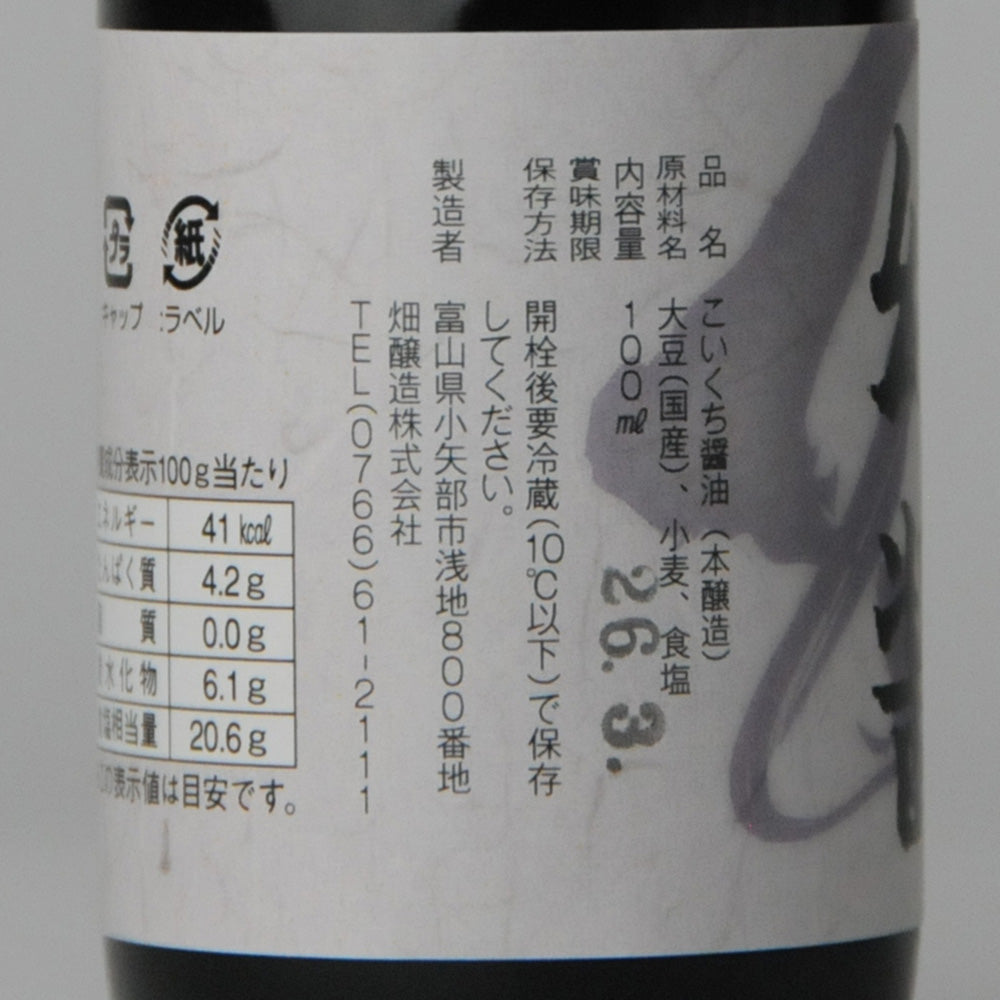
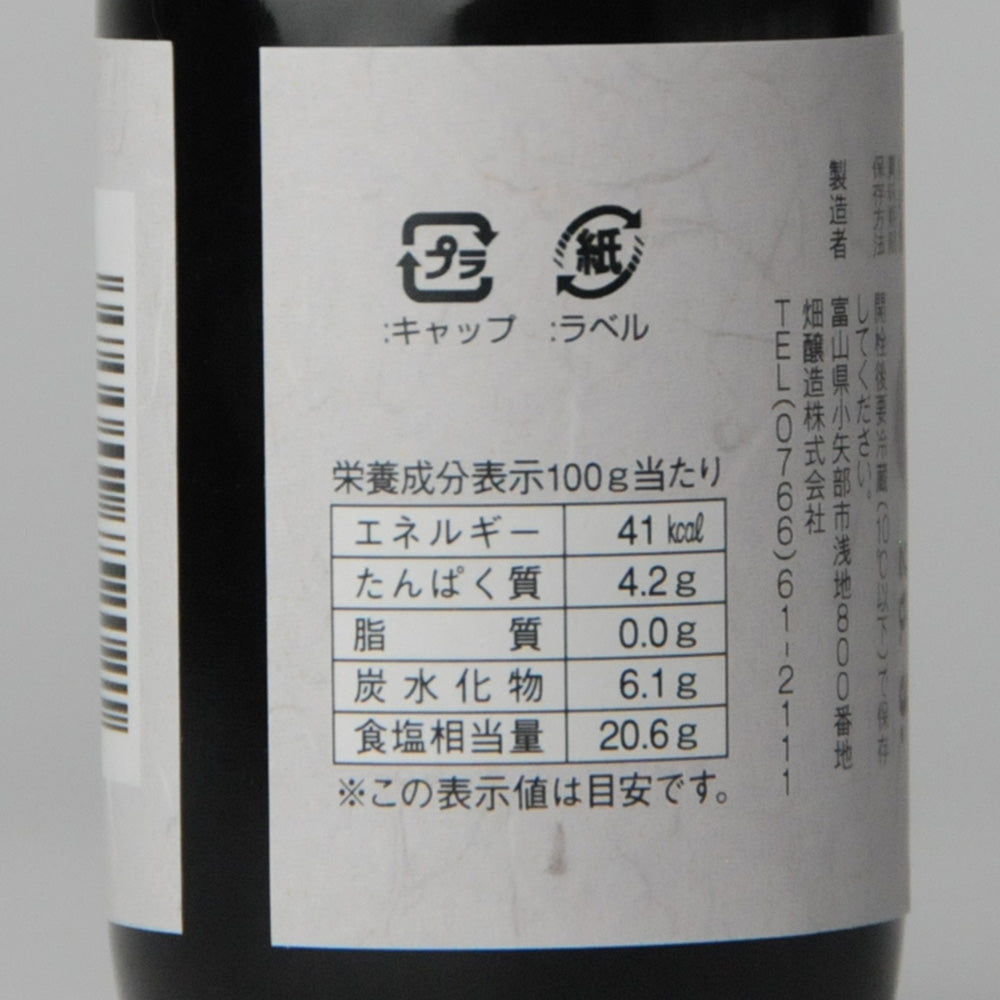
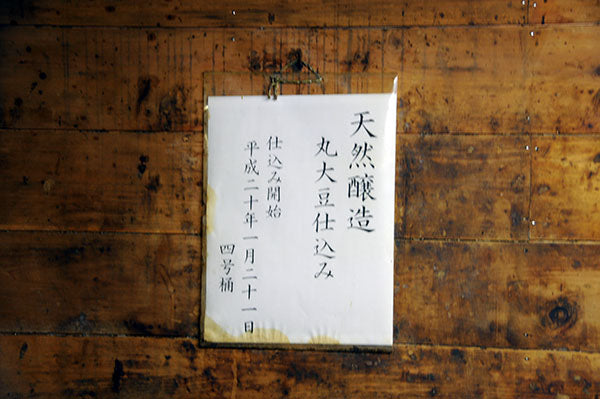
This limited edition handmade soy sauce is brewed only in the coldest months of Hokuriku, from January to March, when the water and air are cleanest, using soybeans from Oyabe City, Toyama Prefecture, wheat from Takaoka City, Toyama Prefecture, and Shima Mars from Okinawa, and is aged for three years in wooden barrels. By allowing the soy sauce to rest slowly under the natural climate while frequently stirring with a paddle, the sweetness of the soybeans, the fragrant aroma of the wheat, and the umami of the salt are concentrated, resulting in a soy sauce with a strong umami flavor.
The squeezing process is also unique, as the moromi is left to drip slowly and naturally for a week under its own weight, and then just a little pressure is applied to squeeze it out. Soy sauce made from whole soybeans contains oil, so if too much pressure is applied, the oily smell will be squeezed out as well. Gensho combines concentrated umami with a refreshing taste, and when used in cooking, it brings out the umami of the ingredients while still giving the dish a strong soy sauce flavor.

Gensho is popular among chefs
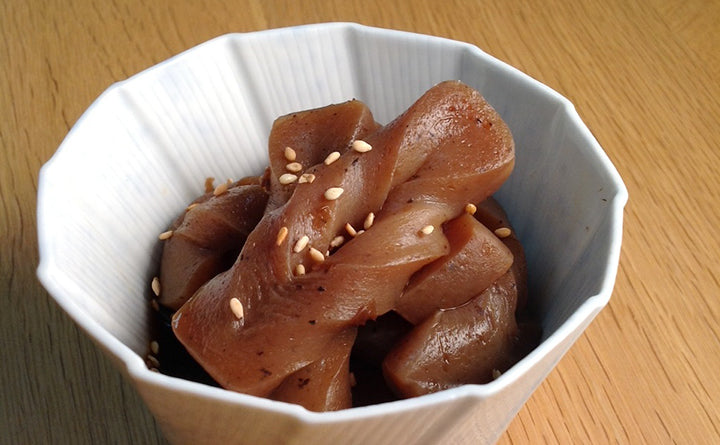
Gensho, popular among various food professionals such as sushi restaurants, kappo restaurants, and ramen restaurants, has a strong, traditional soy sauce flavor. It doesn't stand out when cooking, but it's like a hidden hero, so it's also recommended for simple yet delicious konjac.
Of course, it goes great with meat, vegetables, fish, and any other ingredients. If you want to use it on rice with raw egg, try it first. It's a little salty, so be careful not to add too much! However, when combined with the egg, you can taste the sharpness of the soy sauce, but it's not too salty, and you can taste the rich umami flavor, so much so that you'll find yourself saying, "Soy sauce is delicious!" A small amount will give you a surprising sense of satisfaction.
Choose options
目的別・人気セット


NEWSLETTER│職人醤油通信
醤油の世界を、もっと深く。
蔵元訪問レポート・季節の使い方・新商品情報など、職人醤油 代表の高橋万太郎がお届けします。
- 蔵元訪問レポート・産地の話
- 季節の料理と醤油の使い分け
- 新着商品・限定セットのご案内
- 読者限定の先行情報
スパムメールは送りません。登録解除はいつでも可能です。